Mr. Charles Ruijs de Beerenbrouck
In Office: 10 August 1929 – 26 May 1933
9 September 1918 – 4 August 1925
Political Party: General League of Roman
Home State: Roermond
Lifespan: 1873–1936
Country: Netherland
Image credits available here.
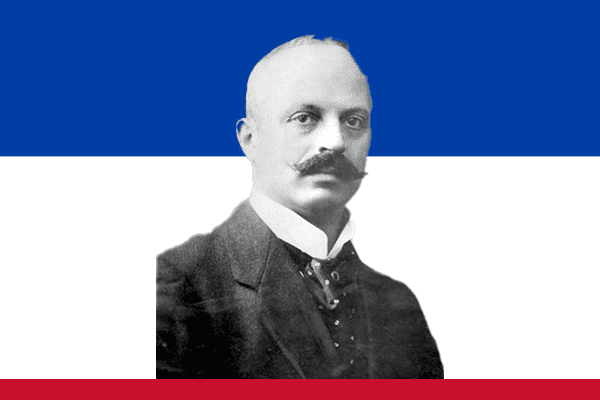
Early Life and Background
Charles Ruijs de Beerenbrouck was born on April 1, 1873, in Roermond. He came from a noble and politically active family, which helped shape his interest in governance. He studied law and later entered politics, where his abilities were quickly recognized. His early career was marked by dedication to public service, and he gradually rose through the ranks of Dutch political life.
Political Career (Active Voice)
Charles Ruijs de Beerenbrouck led the Netherlands as Prime Minister from 1918 to 1925 and again from 1929 to 1933. He formed coalition governments and maintained stability in a politically divided country. He strengthened democratic institutions and encouraged cooperation among different political groups.
He guided the country through the difficult post-war period and ensured economic recovery. He promoted social reforms and improved public administration. His government introduced policies that supported workers and strengthened infrastructure.
Ruijs de Beerenbrouck also played a vital role in maintaining neutrality during global tensions. He handled internal conflicts carefully and ensured peaceful governance. His leadership style reflected patience, balance, and responsibility.
Leadership Style and Contributions
Ruijs de Beerenbrouck demonstrated a calm and diplomatic leadership style. He believed in dialogue and consensus rather than confrontation. He respected different political ideologies and worked to unite them under common national goals.
He contributed significantly to the development of modern Dutch governance. He improved administrative efficiency and encouraged cooperation between government departments. His leadership helped strengthen the parliamentary system in the Netherlands.
Challenges and Achievements
During his tenure, Ruijs de Beerenbrouck faced several economic and political challenges. The country had to recover from the effects of World War I, and later, it experienced economic difficulties during the early stages of the global depression.
Despite these challenges, he managed to maintain political stability. He successfully handled coalition politics and ensured that government policies were implemented effectively. His ability to balance different interests made him a respected leader.
Legacy
Charles Ruijs de Beerenbrouck left a lasting legacy in Dutch politics. He broke religious barriers by becoming the first Catholic Prime Minister and paved the way for greater inclusiveness in governance. His leadership strengthened democracy and set an example for future leaders.
He passed away on April 17, 1936, but his contributions to the Netherlands continue to be remembered. His work helped shape the modern political system of the country.
Conclusion
In conclusion, Charles Ruijs de Beerenbrouck was a significant figure in the history of the Netherlands. His leadership during difficult times, commitment to democratic values, and ability to manage coalition politics made him an effective Prime Minister. His legacy remains an important part of Dutch political history.