Mr. Choi Kyu-hah
In Office: December 18, 1975 – October 26, 1979
Political Party: Independent
Home State: Wonju
Lifespan: 1919–2006
Country: South Korea
Image credits available here.
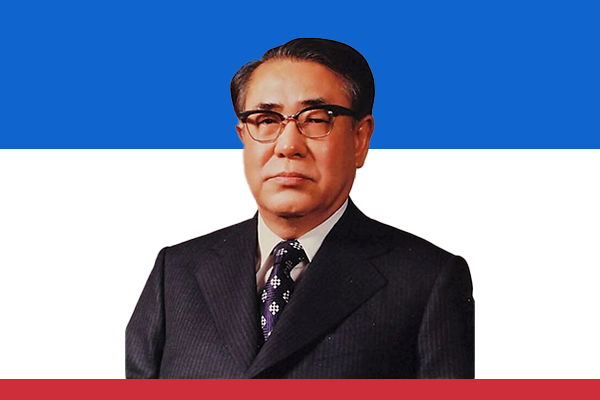
Early Life and Rise in Government
Choi Kyu-hah was born on July 16, 1919, in Wonju, Gangwon Province. He grew up in a time of political turbulence, and he pursued education with a deep interest in diplomacy and national service. He studied at prominent institutions, and he developed the skills that later shaped his administrative style.
Choi entered government service early in his career, and he steadily built his reputation as a capable diplomat. He worked in various ministries, and he strengthened Korea’s international relations during the post-Korean War era. His calm personality and technocratic approach earned him trust within political circles.
Diplomatic Career and Path to Prime Minister
Choi advanced his diplomatic career by taking important roles within the Ministry of Foreign Affairs. He served as the Foreign Minister of South Korea, and he promoted policies that strengthened the country’s global partnerships. He represented South Korea in negotiations, and he built a reputation for integrity and restraint.
Because of his administrative skill, the leadership appointed him as Prime Minister in December 1975 during President Park Chung-hee’s authoritarian period. Choi accepted the position at a time when the political climate had already grown tense. He attempted to balance loyalty to the administration with the public’s demand for greater political openness.
Prime Ministerial Responsibilities and Challenges
As Prime Minister, Choi oversaw domestic governance and coordinated national policies. He managed economic matters, and he supported South Korea’s rapid industrialisation program. Although Park Chung-hee controlled the political agenda, Choi acted as the mediator between the government and the public. He encouraged reforms, but the rigid political environment limited his influence.
When President Park’s rule faced public criticism, Choi responded by urging moderation and dialogue. He worked to ease tensions, and he aimed to maintain stability without resorting to harsh measures. His diplomatic tendencies shaped his leadership style, and he continuously sought solutions that minimised conflict.
Assuming the Presidency After Park Chung-hee’s Assassination
On October 26, 1979, President Park Chung-hee was assassinated. This event shocked the nation, and the government plunged into uncertainty. As Prime Minister and constitutionally designated successor, Choi immediately stepped into the role of Acting President. He accepted the responsibility, and he attempted to calm the nation.
Choi called for national unity, and he promised political reforms. He organised elections within the ruling party, and he won the presidency in December 1979 in an indirect vote. Although his presidency came through constitutional order, he acknowledged the public’s demand for democratic change.
Efforts Toward Political Liberalisation
As President, Choi initiated steps to relax political controls. He released some political prisoners, encouraged open discussion, and sought to reduce authoritarian elements of the Yushin Constitution. He invited opposition figures to participate in dialogue, and he attempted to create a more inclusive political environment.
However, his reform efforts faced strong resistance from conservative elements and the military. The political situation grew unstable as protests and calls for democracy increased. Choi attempted to manage both public demands and the expectations of the political elite, but pressure continued to mount.
Resignation and Later Life
General Chun Doo-hwan seized control through a military coup in December 1979 and strengthened his power during 1980. Choi, unable to counter the military takeover, resigned from the presidency in August 1980. He chose to step aside rather than escalate conflict, reflecting his lifelong preference for peaceful transitions.
After leaving office, Choi withdrew from public life. He lived quietly until his death on October 22, 2006. His legacy remains that of a calm, moderate leader who guided South Korea through a turbulent transitional period.