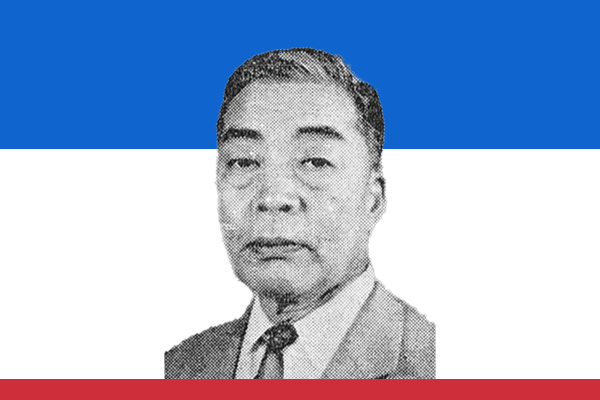
Mr. Choi Tu-son
In Office: 17 December 1963 – 9 May 1964
Political Party: Independent
Home State: Seoul
Lifespan: 1894–1974
Country: South Korea
Image credits available here.
Early Life and Education
Choi Tu-son entered the world on September 19, 1894, in Korea’s Gyeonggi Province. He grew up in a society shaken by political shifts, and these early challenges shaped his understanding of national resilience. He pursued modern education at a time when Korea struggled against Japanese colonial rule. Motivated by a desire to uplift his nation, he studied law and public administration, and these academic foundations gave him the tools to enter government service with confidence and clarity.
Rise in Public Service
Choi Tu-son built his career steadily through various administrative roles. He joined the emerging South Korean government after liberation in 1945 and contributed to legal and bureaucratic reforms. He used his expertise in governance to streamline public institutions and championed accountability within the civil service. His colleagues recognized him as a disciplined, practical, and calm administrator who relied on facts rather than political drama.
As he moved through key positions, he expanded his influence and earned respect within political circles. His reputation for integrity helped him transition from civil servant to national leader.
Path to the Prime Minister’s Office
The South Korean government appointed Choi Tu-son as Prime Minister in 1960 during one of the most turbulent periods in the country’s political journey. The April Revolution had just ended the Syngman Rhee administration, and the nation searched for stability. Choi accepted the role knowing that the government faced immense public pressure, economic challenges, and widespread demands for reform.
He stepped into office determined to restore administrative order. He created new channels of communication between the state and the public and urged ministries to respond transparently to citizens’ concerns. His leadership emphasized calm decision-making instead of crisis-driven reactions.
Leadership During a Period of Transition
Choi Tu-son played a vital role in stabilizing the government during South Korea’s brief parliamentary phase. He encouraged lawmakers to focus on national development rather than political rivalry. He also advocated reforms in local administration, education, and economic planning.
He worked closely with President Yun Posun yet maintained a firm, independent judgment when assessing policy proposals. He presented data-driven arguments, defended constitutional values, and promoted democratic processes. His style relied on persuasion rather than coercion, and he preferred consensus-building over confrontation.
Despite his thoughtful approach, political instability continued to dominate South Korea. The military coup of May 1961 forced him to step aside as the new regime took control. Even though his term ended abruptly, he left behind a legacy of professionalism and calm stewardship.
Later Life and Legacy
After leaving office, Choi Tu-son withdrew from frontline politics but continued contributing to national development through advisory roles. He mentored younger administrators and urged them to uphold public ethics. He believed that good governance required discipline, transparency, and dedication to citizens rather than personal ambition.