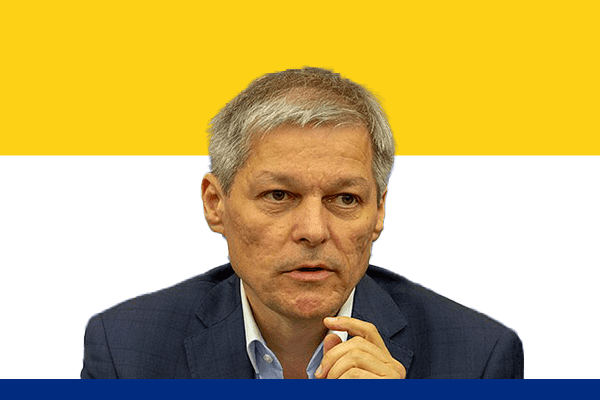
Early Life and Education
Dacian Julien Cioloș was born on July 27, 1969, in Zalău, Romania. He grew up in a rural environment, which helped shape his interest in agriculture and development. He studied horticulture at the University of Agricultural Sciences and Veterinary Medicine in Cluj-Napoca. Later, he continued his education in France, where he specialized in agricultural economics and rural development. His academic background gave him strong knowledge of farming policies, rural communities, and European development systems. These experiences prepared him for leadership roles in both Romania and the European Union.
Career Before Becoming Prime Minister
Before becoming prime minister, Dacian Cioloș built a strong career in agriculture and European affairs. He served as Romania’s Minister of Agriculture from 2007 to 2008. During this time, he focused on modernizing the agricultural sector and improving the use of European Union funds. His expertise and balanced leadership earned him wider recognition.
In 2010, he became the European Commissioner for Agriculture and Rural Development in the European Commission. This important role increased his international reputation. He worked on reforms in the Common Agricultural Policy and supported sustainable farming across Europe. His work showed his ability to manage complex issues with professionalism and vision.
Prime Minister of Romania
Dacian Cioloș became Prime Minister of Romania in November 2015 after the resignation of Victor Ponta. President Klaus Iohannis appointed him during a period of political crisis following public protests over corruption and government failures. Many Romanians wanted a clean and competent administration, and Cioloș represented that hope.
As prime minister, he led a technocratic government made up mainly of experts rather than party politicians. His cabinet focused on efficiency, transparency, anti-corruption measures, and institutional reform. He promoted better public administration, supported digital modernization, and encouraged responsible use of public funds. He also aimed to improve education, healthcare, and infrastructure planning.
Although his government served for only a short period, Cioloș gained respect for his honest image and practical leadership. Many citizens appreciated his effort to reduce political influence in government institutions.
Political Legacy and Later Career
After leaving office in 2017, Dacian Cioloș remained active in public life. He later founded the political movement Romania Together and became involved in reformist politics. He also played a leading role in the USR-PLUS alliance, which promoted anti-corruption, democratic values, and pro-European policies.
Cioloș continued to influence Romanian and European politics through his moderate and reform-focused vision. His supporters often see him as a symbol of clean politics and professional governance.
Conclusion
Dacian Cioloș stands out as a reform-minded leader in modern Romanian politics. As Prime Minister of Romania, he brought expertise, integrity, and a strong sense of public responsibility to government. His leadership showed that technical knowledge and honest administration can build public trust. Even after his term ended, he remained an important voice for reform, transparency, and European cooperation. Dacian Cioloș continues to be remembered as a capable and principled statesman who worked to improve Romania’s political culture.