Mr. David Lloyd George
In Office: 6 December 1916 – 19 October 1922
Political Party: Liberal
Home State: Morley
Lifespan: 1863–1945
Country: United Kingdom
Image credits available here.
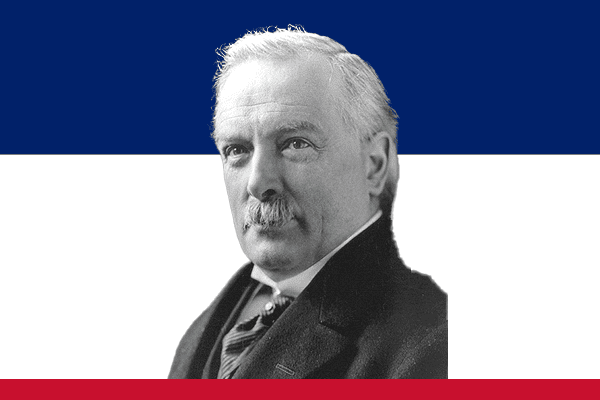
Early Life and Political Career
David Lloyd George was born on 17 January 1863 in Manchester and grew up in Wales. He studied law and later worked as a solicitor. Early in his life, he developed a strong interest in politics and social justice.
In 1890, Lloyd George was elected as a Member of Parliament representing the Liberal Party. He quickly gained recognition for his passionate speeches and progressive ideas. Lloyd George supported reforms that aimed to reduce poverty and improve living conditions for workers and farmers. His commitment to social reform helped him rise quickly within the Liberal Party.
Major Reforms and Achievements
Before becoming Prime Minister, Lloyd George served as Chancellor of the Exchequer. In this role, he introduced the famous “People’s Budget” in 1909. The budget increased taxes on wealthy individuals and landowners in order to fund social welfare programs. Through this policy, he helped expand pensions and social insurance for workers.
He also played a major role in creating early welfare reforms in Britain. His policies supported unemployed workers, elderly citizens, and people suffering from illness. These reforms laid the foundation for the modern British welfare system.
Leadership During World War I
In December 1916, Lloyd George became Prime Minister during the difficult years of World War I. At that time, Britain faced serious military and political challenges. Lloyd George reorganized the government and created a small War Cabinet to make faster decisions.
Under his leadership, Britain improved its military coordination with allies such as France and the United States. He strengthened wartime production and ensured that the army received necessary supplies. These efforts helped the Allied forces achieve victory in 1918.
Post-War Policies and International Role
After the war ended, Lloyd George represented Britain at the Paris Peace Conference. There he worked with other world leaders, including Woodrow Wilson and Georges Clemenceau, to negotiate peace agreements with defeated nations.
The conference produced the Treaty of Versailles, which officially ended the war with Germany. Lloyd George attempted to balance punishment with stability in Europe. However, the treaty later became controversial because of its harsh conditions.
Later Career and Legacy
Lloyd George remained Prime Minister until 1922. Political disagreements and scandals eventually weakened his coalition government. After leaving office, he continued to participate in British politics but never again served as Prime Minister.
Despite these challenges, historians consider Lloyd George one of the most dynamic leaders in British history. His wartime leadership and social reforms significantly shaped modern Britain. He helped introduce policies that improved workers’ rights and expanded government responsibility for social welfare.
Conclusion
David Lloyd George left a lasting impact on British politics and global diplomacy. Through his leadership during World War I and his commitment to social reform, he transformed the political landscape of the United Kingdom. His efforts strengthened democratic governance and helped shape the development of the modern welfare state.