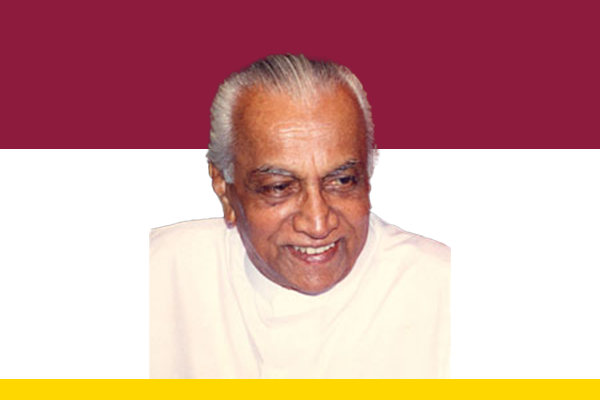
Mr. Dingiri Banda Wijetunga
In Office: 6 March 1989 – 7 May 1993
Political Party: United National Party
Home State: Yatinuwara electoral
Lifespan: 1916–2008
Country: Sri Lanka
Early Life and Background
Dingiri Banda Wijetunga, widely known as D. B. Wijetunga, served as the fourth Executive President of Sri Lanka from 1993 to 1994. He was born on February 15, 1916, in Polgahawela, a rural village in Kurunegala District. He grew up in a modest agricultural family. Wijetunga studied at Kurunegala Christian College and later joined the public service. He began his career as a clerk and gradually became involved in community development and cooperative initiatives.
Entry into Politics
Wijetunga entered politics through local government, where he earned respect for his honesty, simplicity, and deep connection with rural communities. In the 1960s, he joined the United National Party (UNP) and entered national politics. After experiencing a few electoral defeats, he finally won a seat in Parliament in 1965. Over the years, he held key cabinet positions, including Minister of Posts and Telecommunications, Information, and Power and Energy. His calm demeanor and dedication to duty helped him earn a reputation as a steady and non-controversial leader.
Role as Prime Minister
In 1989, after the UNP secured victory under President Ranasinghe Premadasa, Wijetunga was appointed Prime Minister. Party leaders selected him for his seniority and stabilizing influence during a time of political unrest and civil conflict. During his tenure, the country dealt with the aftermath of the second JVP insurrection and the continuing war with the LTTE.
Presidency Following Assassination
On May 1, 1993, after an LTTE suicide bomber assassinated President Premadasa, Wijetunga automatically succeeded him as President under the constitution. He assumed office during a critical moment and focused on restoring calm and political order. Though he served only until 1994, he led the country with restraint and aimed to maintain governmental continuity.
Policies and Governance
As President, Wijetunga took a strong stance against ethnic separatism and rejected the LTTE’s demands for a divided state. He firmly defended Sri Lanka’s unitary status. However, he did not initiate new peace negotiations or reconciliation efforts during his short term. His main focus remained on law, order, and political stability rather than policy innovation.
Peaceful Transition and Retirement
In the 1994 elections, when the People’s Alliance led by Chandrika Bandaranaike Kumaratunga defeated the UNP, Wijetunga chose not to contest for the presidency. He handed over power peacefully, reinforcing democratic traditions in the country. After retiring, he withdrew from political life and lived quietly in Kandy.
Legacy
D. B. Wijetunga died on September 21, 2008, at the age of 92. People remember him for his modest lifestyle, integrity, and dedication to democratic principles. Though his presidency was brief and transitional, he played a crucial role in guiding Sri Lanka through a sensitive period. His leadership style reflected humility and a firm commitment to national service over personal ambition.