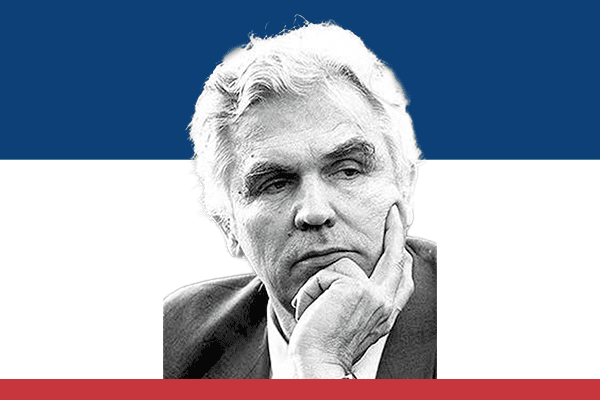
Early Life and Education
Dragutin Zelenović was born on May 19, 1928, in Sirig, a village located in present-day Serbia. From a young age, he showed strong interest in science and engineering. He pursued higher education at the University of Belgrade, where he studied mechanical engineering. Through dedication and hard work, he earned recognition as a skilled academic and researcher.
After completing his studies, Zelenović focused on industrial engineering and technological development. He became a respected professor and contributed significantly to scientific research in Yugoslavia. His expertise helped modernize industrial systems and improve engineering education. Unlike many politicians of his era, he built his reputation first in academics before entering public office.
Academic Career
Zelenović achieved great success in the field of engineering and education. He worked as a professor at the University of Novi Sad and later became rector of the university. During his leadership, he encouraged innovation, scientific cooperation, and modernization within higher education.
He published numerous academic papers and supported technological advancement in Yugoslavia. Students and colleagues respected him for his knowledge and disciplined approach. His academic background shaped his political style, as he preferred practical solutions and systematic planning.
In addition to teaching, Zelenović participated in several scientific organizations and engineering projects. His contributions strengthened Yugoslavia’s industrial and educational sectors during the late twentieth century.
Political Career
Dragutin Zelenović entered politics during a period of growing uncertainty in Yugoslavia. In 1989, he became a member of the Presidency of Serbia, gaining national political influence. Leaders valued his technical expertise and calm leadership style during a time of economic crisis and political tension.
In 1991, he became the Prime Minister of Yugoslavia. At that time, Yugoslavia faced severe ethnic conflicts, economic instability, and increasing demands for independence from several republics. Zelenović attempted to maintain stability and support federal unity, but the political environment proved extremely difficult.
His government struggled to manage rising nationalism and economic decline. Conflicts between republics weakened the federal system, and public confidence in the government decreased rapidly. Despite his efforts, Yugoslavia moved closer to dissolution.
Challenges During His Leadership
Zelenović served as prime minister during one of the most challenging moments in Yugoslav history. Political disagreements intensified between republic leaders, while economic problems created social unrest. Inflation, unemployment, and shortages affected daily life across the country.
International pressure also increased as tensions escalated within Yugoslavia. Zelenović tried to encourage cooperation and peaceful dialogue, but divisions between political groups continued to grow. His administration could not stop the collapse of the federal structure.
In 1991, he resigned from office after only a few months as prime minister. His resignation reflected the deep crisis facing Yugoslavia rather than personal failure alone.
Later Life and Legacy
After leaving politics, Dragutin Zelenović returned to academic and scientific activities. He continued contributing to education and engineering while staying away from major political conflicts. His calm personality and intellectual achievements earned respect even after his political career ended.
Historians often remember Zelenović as a technocrat who entered politics during an impossible situation. Unlike nationalist leaders of the period, he focused more on administration, science, and modernization. Although he could not prevent Yugoslavia’s collapse, he represented a more moderate and professional approach to leadership.
His contributions to engineering education and industrial development remain significant in Serbia and the former Yugoslav region. Many people continue to recognize his efforts in science and public service.
Conclusion
Dragutin Zelenović combined academic excellence with political responsibility during a difficult period in Balkan history. As an engineer, professor, and prime minister, he worked to promote modernization, stability, and cooperation. Although his time in office was brief, his role in Yugoslavia’s final years remains historically important. His legacy reflects dedication to education, scientific progress, and public service.