Mr. Édith Cresson
In Office: 15 May 1991 – 2 April 1992
Political party: Socialist Party
Home State: Boulogne-Billancourt
Lifespan: Born–1934
Country: France
Image credits available here.
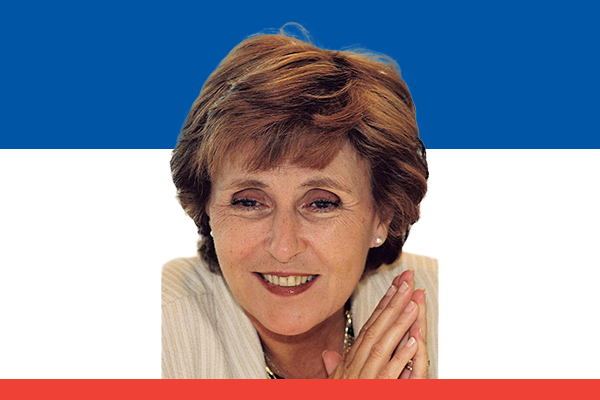
Early Life and Education
Édith Cresson was born on January 27, 1934, in Boulogne-Billancourt, France. She grew up in a middle-class family and pursued her education with determination. She studied at the École des Hautes Études Commerciales (HEC), where she developed a strong foundation in economics and management. By focusing on academic excellence, she prepared herself for a future in public service.
Entry into Politics
Cresson entered politics in the 1960s. She joined the Socialist Party and quickly gained recognition for her sharp intellect and strong personality. She aligned herself with François Mitterrand, who later became the President of France. By showing loyalty and competence, she earned his trust and began climbing the political ladder.
Ministerial Roles Before Becoming Prime Minister
Before reaching the highest political office, Cresson served in several ministerial roles. She became Minister of Agriculture in 1981, where she promoted modernization and reforms in the farming sector. Later, she served as Minister of External Trade and Minister of European Affairs. In each role, she pushed for reforms and strengthened France’s presence in international markets.
Appointment as Prime Minister
On May 15, 1991, President François Mitterrand appointed Édith Cresson as Prime Minister. By doing so, he made her the first woman to hold this prestigious office in France. Cresson assumed the role with boldness and determination. She aimed to address unemployment, strengthen the economy, and introduce social reforms.
Challenges in Office
As Prime Minister, Cresson faced immense challenges. Unemployment remained high, and her economic policies received criticism. She also dealt with political opposition and frequent media scrutiny. Despite these challenges, she worked tirelessly to implement reforms. She introduced measures to support job creation and improve training for workers.
Controversies and Criticism
Cresson often spoke bluntly, which sometimes created controversies. Critics accused her of making controversial remarks, and the media frequently highlighted her statements. Political opponents used these moments to attack her leadership. Despite the criticisms, she continued to defend her policies with conviction.
Legacy as the First Female Prime Minister
Although her tenure lasted only until April 1992, Édith Cresson left a lasting legacy. She broke barriers in French politics by becoming the first woman to serve as Prime Minister. Her appointment inspired women across France and Europe to pursue leadership roles in politics. Even though her policies received mixed reviews, her historic role strengthened the path toward gender equality in French political life.
Later Career and Contributions
After leaving office, Cresson continued to serve in European politics. She became a European Commissioner in the European Union, focusing on research, education, and training. In this role, she emphasized innovation and cooperation between European nations. By contributing to the EU, she extended her influence beyond France and left a mark on continental politics.
Conclusion
Édith Cresson made history as France’s first female Prime Minister. She entered politics with determination, rose through ministerial ranks, and assumed leadership at a challenging time. Although her tenure was brief, her courage and achievements paved the way for greater female participation in politics. Her career demonstrated resilience, leadership, and the importance of breaking barriers.