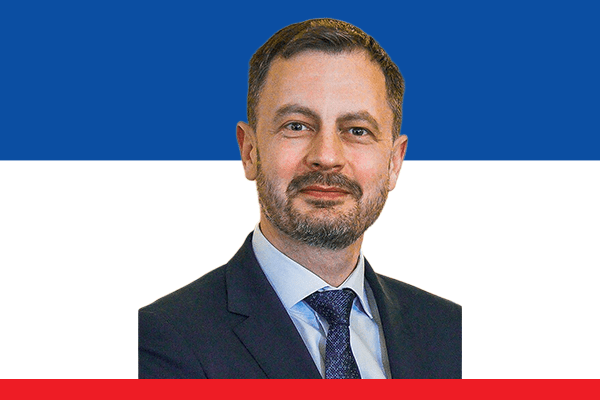
Mr. Eduard Heger
In Office: 1 April 2021 – 15 May 2023
Political Party: Social Democracy
Home State: Bratislava
Lifespan: born 1976
Country: Slovakia
Image credits available here.
Early Life and Education
Eduard Heger was born on May 3, 1976, in Bratislava, Slovakia. He spent his childhood in a period of significant political change in Central Europe. From an early age, he showed an interest in learning, leadership, and public service.
Heger completed his higher education in economics and management. His studies provided him with valuable knowledge about business, finance, and administration. These skills later helped him manage important responsibilities in both the private sector and government.
Career Before Politics
Before entering politics, Heger worked in the business sector. He gained experience in management and finance, which strengthened his understanding of economic issues. His professional background allowed him to develop practical solutions for organizational and financial challenges.
His success in business earned him respect among colleagues and professionals. He believed that effective management and responsible decision-making could improve public institutions and economic growth.
Entry into Politics
Eduard Heger entered politics through the Slovak political movement OĽaNO (Ordinary People and Independent Personalities). He quickly became an active member of the party and focused on transparency, accountability, and anti-corruption efforts.
In 2020, he became the Minister of Finance in the Slovak government. In this role, he worked on financial policies and supported measures designed to strengthen the country’s economy. His work as Finance Minister increased his public profile and prepared him for greater leadership responsibilities.
Prime Minister of Slovakia
In April 2021, Eduard Heger became the Prime Minister of Slovakia. He took office during a difficult period marked by the COVID-19 pandemic. His government focused on protecting public health, supporting businesses, and maintaining economic stability.
As Prime Minister, Heger encouraged cooperation among government institutions and international partners. He supported Slovakia’s participation in European and international organizations. He also emphasized democratic principles and the rule of law.
During his leadership, Europe faced significant security challenges following the conflict in Ukraine. Heger expressed support for humanitarian assistance and regional cooperation. He worked closely with European allies to address shared concerns and promote stability.
Leadership Style and Achievements
Eduard Heger became known for his calm and cooperative leadership style. He preferred dialogue and teamwork when addressing complex issues. His supporters appreciated his efforts to promote transparency and responsible governance.
Among his notable achievements were efforts to strengthen public administration, support economic recovery, and maintain Slovakia’s international partnerships. He consistently highlighted the importance of democratic values and civic responsibility.
Although political disagreements and coalition challenges affected his government, Heger continued to advocate constructive solutions and cooperation among political leaders.
Conclusion
Eduard Heger remains an important figure in contemporary Slovak politics. His journey from the business world to the office of Prime Minister demonstrates dedication, leadership, and public service. Throughout his career, he worked to strengthen democratic institutions, support economic development, and represent Slovakia on the international stage. His contributions continue to influence discussions about governance and the future of Slovakia.