Mr. Edward Heath
In Office: 19 June 1970 – 4 March 1974
Political Party: Conservative
Home State: Broadstairs
Lifespan: 1916–2005
Country: United Kingdom
Image credits available here.
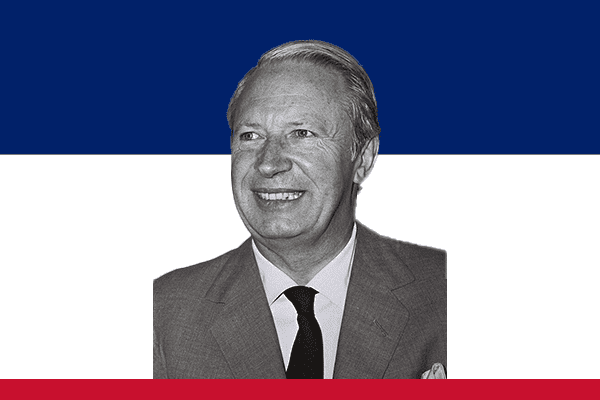
Early Life and Political Career
Edward Richard George Heath was born on July 9, 1916, in Broadstairs, Kent, England. He came from a modest middle-class family and worked hard to rise in public life. He studied at Balliol College, Oxford, where he developed a strong interest in politics and music. During the Second World War, he served in the British Army and gained valuable leadership experience.
After the war, Heath entered politics and won election as Member of Parliament for Bexley in 1950. He quickly earned a reputation as a disciplined, intelligent, and determined politician. In the 1950s and 1960s, he held several important government positions, including Chief Whip, Minister of Labour, and Lord Privy Seal. He also played a major role in early efforts to bring Britain closer to Europe. In 1965, he became leader of the Conservative Party.
Prime Ministership (1970–1974)
Edward Heath became Prime Minister after the Conservative Party won the 1970 general election. His government focused on economic modernization, reducing inflation, and reforming industrial relations. He believed that Britain needed stronger economic discipline and a more competitive economy.
One of Heath’s greatest achievements came in 1973 when he successfully took the United Kingdom into the European Economic Community (EEC). He strongly supported European cooperation and believed that membership would improve Britain’s economy and international influence. This decision became one of the defining moments of his career.
However, Heath’s government faced major domestic problems. Britain suffered from rising inflation, unemployment, and conflict with powerful trade unions. His Industrial Relations Act aimed to reduce union power, but it caused widespread opposition. Strikes became common, especially in the coal industry. The miners’ strike of 1973–1974 created a serious energy crisis and forced Heath’s government to introduce the “Three-Day Week,” which limited electricity use for businesses in order to save power.
Heath called a general election in February 1974 under the slogan “Who governs Britain?” He hoped to defeat the unions politically, but the result produced a hung parliament. Unable to secure enough support, Heath left office, and Labour leader Harold Wilson returned as Prime Minister.
Later Years and Legacy
After losing power, Heath remained leader of the Conservative Party until 1975, when Margaret Thatcher defeated him in a leadership contest. This marked a major turning point in Conservative politics. Although Heath stayed in Parliament for many years, his influence declined as Thatcher reshaped the party.
Even so, historians continue to recognize Heath for his intelligence, determination, and historic role in taking Britain into Europe. His premiership reflected the political and economic struggles of 1970s Britain. While his government faced serious setbacks, his European policy had a lasting impact on British politics for decades.
Conclusion
Edward Heath played a major role in twentieth-century British history. As Prime Minister, he tried to modernize the economy, confront industrial unrest, and strengthen Britain’s role in Europe. Although many difficulties limited his success, his decision to join the EEC remains one of the most important acts of his career. Heath’s leadership left a lasting mark on the United Kingdom and ensured his place among Britain’s notable prime ministers.