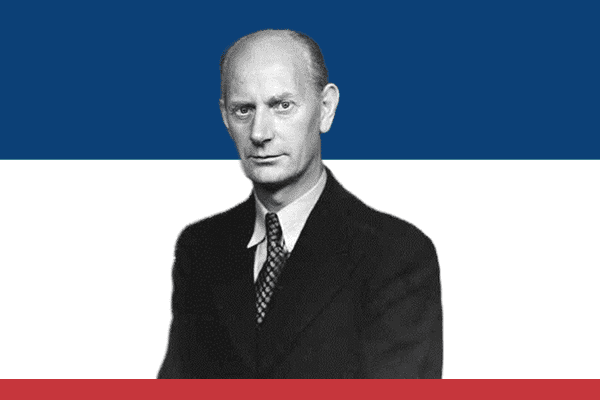
Early Life and Education
Einar Gerhardsen was born on May 10, 1897, in Asker, Norway. He grew up in a working-class family, and his humble background influenced his political beliefs. Instead of enjoying wealth and privilege, he experienced the struggles of ordinary workers. These experiences inspired him to fight for social justice and equal opportunities.
Gerhardsen completed his early education in Norway and later worked in different jobs, including road construction and labor work. During his youth, he became active in trade unions and labor movements. He joined the Norwegian Labour Party and quickly developed a reputation as a dedicated and skilled organizer.
Political Career
Einar Gerhardsen entered politics during a period of economic and social change in Norway. He served in local government before gaining national recognition. His strong communication skills and commitment to workers’ rights helped him rise within the Labour Party.
In 1945, after the end of World War II, Gerhardsen became Prime Minister of Norway. The country had suffered greatly during the German occupation, and many citizens wanted stability and reconstruction. Gerhardsen accepted this challenge with confidence and vision.
He served as Prime Minister for several terms between 1945 and 1965, making him one of Norway’s longest-serving leaders. Under his leadership, Norway transformed into a prosperous welfare state.
Leadership and Reforms
Gerhardsen focused on rebuilding Norway’s economy after the war. He encouraged industrial growth, improved infrastructure, and expanded employment opportunities. His government invested heavily in education, healthcare, and social welfare programs.
Instead of allowing economic inequality to grow, he promoted policies that supported ordinary citizens. He believed that every person deserved access to healthcare, education, and a decent standard of living. As a result, Norway developed one of the world’s strongest welfare systems.
Gerhardsen also strengthened democratic institutions and promoted cooperation between workers, businesses, and the government. This balanced approach helped Norway achieve economic stability and social harmony.
Role During World War II
During World War II, German forces occupied Norway. Gerhardsen actively resisted the occupation and supported the Norwegian resistance movement. The German authorities arrested him several times because of his political activities.
He spent time in prison camps, including Sachsenhausen concentration camp in Germany. Despite these hardships, he remained committed to freedom and democracy. His courage during the war increased public respect for him and strengthened his political influence after liberation.
Personal Qualities and Public Image
Einar Gerhardsen became known for his modest personality and close connection with ordinary people. Unlike many political leaders, he lived simply and avoided unnecessary luxury. Citizens admired his honesty, calm nature, and practical leadership style.
He communicated clearly and focused on solving real problems rather than seeking personal fame. His approachable personality helped him maintain strong support throughout his career.
Legacy and Historical Importance
Einar Gerhardsen left a lasting impact on Norway. His policies created a stable economy, improved living conditions, and strengthened social equality. Many historians credit him with laying the foundation for modern Norway’s success.
His leadership influenced future generations of politicians and demonstrated how democratic governance could improve society. Even today, Norwegians remember him as one of the country’s greatest leaders.
Conclusion
Einar Gerhardsen played a vital role in shaping modern Norway through strong leadership, social reforms, and dedication to democracy. He transformed a war-damaged nation into a prosperous and equal society. His vision, courage, and commitment to public service continue to inspire people around the world.