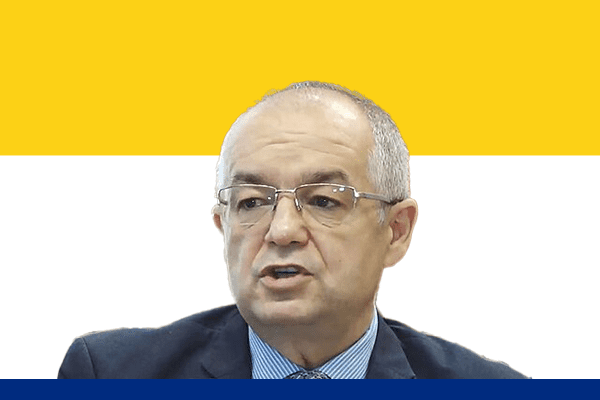
Early Life and Education
Emil Boc was born on September 6, 1966, in Răchițele, a village located in Cluj County, Romania. Growing up in a modest family environment, he developed a strong interest in education and public affairs from a young age. Boc pursued higher education at Babeș‑Bolyai University in Cluj-Napoca, where he studied law and later specialized in constitutional law and political science.
During his academic career, Boc worked as a professor and researcher. He published scholarly works on constitutional law and democratic institutions, demonstrating a deep understanding of governance and legal frameworks. His academic background later influenced his political career, especially in matters related to constitutional reforms and democratic governance.
Entry into Politics
Emil Boc entered Romanian politics in the late 1990s as a member of the Democratic Party, which later became the Democratic Liberal Party. His strong organizational skills and academic reputation helped him quickly gain recognition within the party. In 2004, Boc was elected Mayor of Cluj-Napoca, one of Romania’s most important cities.
As mayor, Boc focused on urban development, modernization of infrastructure, and improving public services. His leadership in Cluj-Napoca strengthened his national reputation and paved the way for greater political responsibilities. Because of his success at the local level, party leaders entrusted him with larger roles within the national government.
Prime Minister of Romania
In December 2008, Emil Boc became Prime Minister of Romania. His government took office at a time when the global financial crisis severely affected the Romanian economy. Boc faced the difficult task of stabilizing the economy, reducing the budget deficit, and maintaining public confidence.
His administration implemented austerity measures aimed at controlling public spending and meeting international financial commitments. These measures included public sector wage reductions and structural reforms in state institutions. Although controversial, the policies were designed to restore economic stability and strengthen Romania’s financial credibility.
Boc worked closely with international financial institutions such as the International Monetary Fund and the European Union. Through these partnerships, Romania received financial assistance and policy guidance to navigate the economic crisis.
Political Challenges and Resignation
Despite economic stabilization efforts, the austerity measures introduced by Boc’s government sparked widespread public dissatisfaction. Protests erupted across Romania in early 2012 as citizens criticized salary cuts and reduced social benefits. The political pressure increased significantly, leading to growing demands for government change.
In February 2012, Emil Boc resigned as Prime Minister, stating that his decision aimed to ease political tensions and maintain stability in Romania. His resignation marked the end of a significant period in Romanian politics that had been defined by economic hardship and major reforms.
Later Political Career
After leaving the prime minister’s office, Boc returned to local politics. He was once again elected Mayor of Cluj-Napoca, where he continued focusing on urban development, innovation, and modernization projects. Under his leadership, Cluj-Napoca gained recognition as a major economic and technological hub in Romania.
Boc’s return to municipal leadership demonstrated his enduring popularity at the local level. His work emphasized smart city initiatives, infrastructure development, and support for education and technology sectors.
Legacy and Significance
Emil Boc remains a significant figure in Romania’s political landscape. His tenure as Prime Minister was marked by difficult economic decisions and efforts to stabilize the country during a global financial crisis. Although his policies generated debate and criticism, they also contributed to restoring fiscal discipline and strengthening Romania’s relationship with European institutions.
Today, Boc is widely recognized for his administrative experience, academic expertise, and long-standing involvement in Romanian politics. His leadership continues to influence both national governance and local development in Romania.