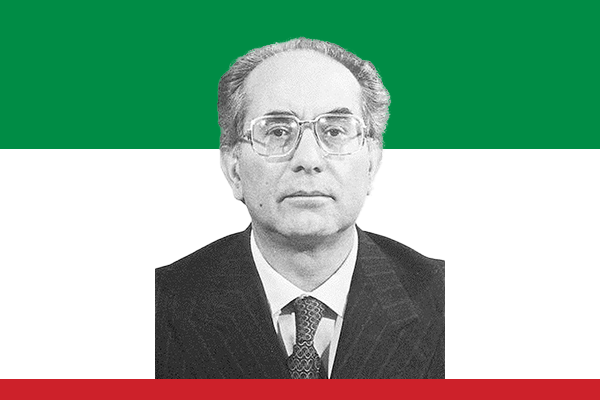
Prime Minister Emilio Colombo: A Legacy in Italian Politics
Emilio Colombo, born on April 11, 1920, in Potenza, Italy, actively shaped Italy’s political landscape for decades. He entered politics with a vision to strengthen democracy and improve Italy’s social and economic development. Throughout his career, Colombo consistently demonstrated leadership, negotiation skills, and a commitment to public service, leaving a lasting impact on Italian politics.
Early Political Career
Colombo began his political journey as a member of the Christian Democracy party. He actively participated in local and regional politics, earning recognition for his dedication and analytical approach. By the 1950s, he served in various governmental roles, actively contributing to policy discussions and legislative processes. Colombo’s early work focused on social reform and economic development, laying the foundation for his later achievements in national politics.
Rise to Prominence
During the 1960s, Colombo actively took on more significant responsibilities, gaining a reputation as a skilled negotiator and consensus-builder. He served in multiple ministerial positions, including Minister of Agriculture, where he actively promoted rural development, modernization, and support for small farmers. Colombo’s ability to balance competing interests earned him respect across political factions, preparing him for higher office.
Prime Minister of Italy
Emilio Colombo served as Prime Minister of Italy from August 1970 to February 1972. During his tenure, he actively guided the government through challenging economic and social conditions, including inflation, labor strikes, and regional disparities. Colombo actively worked on stabilizing the economy, promoting infrastructure development, and strengthening Italy’s social welfare programs. He actively negotiated with trade unions, business leaders, and political parties, fostering dialogue and cooperation to address pressing national issues.
Colombo also actively represented Italy on the international stage, participating in European and global forums to promote Italy’s economic and political interests. His administration strengthened Italy’s position within the European Economic Community and enhanced diplomatic ties with other nations.
Ministerial Roles and Policy Impact
After serving as Prime Minister, Colombo continued to actively shape Italian policy. He served as Minister of Foreign Affairs from 1973 to 1974, where he actively promoted Italy’s foreign policy initiatives, strengthening alliances and advocating for European integration. Later, as Minister of Finance and Minister of the Treasury, Colombo actively implemented economic policies aimed at fiscal stability, growth, and modernization of public administration. He consistently prioritized social equity, economic development, and Italy’s role in the international community.
European Parliament and Later Work
Emilio Colombo actively transitioned to European politics, serving as a Member of the European Parliament from 1979 to 1989. During this period, he actively contributed to legislative processes, particularly on economic and foreign policy issues. He participated in key committees, shaping EU policies and promoting Italy’s interests within the European framework. Even in his later years, Colombo actively engaged in diplomatic initiatives, conferences, and public discussions, continuing to influence both Italian and European political landscapes.
Legacy and Recognition
Colombo’s political career reflects active leadership, strategic thinking, and dedication to public service. He actively promoted economic development, social welfare, and European integration throughout his life. His contributions left a lasting imprint on Italy’s political system, domestic policies, and international relations. Political analysts and historians recognize Colombo for his pragmatic approach, negotiation skills, and unwavering commitment to democratic governance.
Emilio Colombo’s life illustrates how active leadership and strategic policymaking can shape a nation. From his early political engagements to serving as Prime Minister and contributing to European politics, Colombo consistently acted to strengthen Italy’s democracy, economy, and international standing.