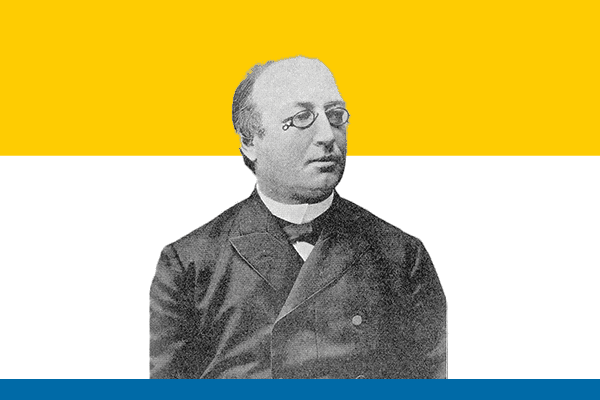
Early Life and Background
Erik Gustaf Boström was born on February 11, 1842, in Stockholm, Sweden. He grew up in a well-educated and socially prominent family. His brother, Filip Boström, also played a role in Swedish politics. Boström pursued legal studies at Uppsala University, where he developed a strong understanding of law and governance. He later became a successful landowner and administrator, which helped him gain practical experience in managing economic and social affairs.
Political Career
Boström actively entered politics and quickly earned recognition for his pragmatic thinking and calm demeanor. He became a member of the Swedish Parliament, where he represented conservative interests while also supporting reasonable reforms. In 1891, he assumed the role of Prime Minister, succeeding Gillis Bildt.
As Prime Minister, Boström focused on maintaining political stability and strengthening Sweden’s institutions. He worked closely with King Oscar II, balancing royal authority with parliamentary governance. His leadership style reflected patience and negotiation rather than confrontation.
Leadership and Policies
Boström guided Sweden through a period of economic growth and social change. He supported agricultural development, infrastructure improvements, and cautious industrial expansion. He also encouraged cooperation between different political factions, which helped reduce conflicts within the government.
One of the most challenging issues during his leadership involved the union between Sweden and Norway. Tensions grew as Norway demanded greater independence. Boström attempted to preserve the union through diplomatic negotiations, but disagreements intensified. Despite his efforts, the union eventually dissolved in 1905 during his second term.
Challenges and Achievements
Boström faced criticism from both conservatives and liberals. Some conservatives believed he made too many concessions, while liberals argued that he resisted necessary reforms. Nevertheless, he maintained a balanced approach that prevented major political crises during much of his tenure.
He played a key role in strengthening Sweden’s constitutional system. His leadership ensured that political transitions occurred peacefully and that democratic institutions continued to develop. Even during periods of tension, he prioritized dialogue and compromise over conflict.
Later Life and Legacy
After leaving office in 1905, Boström gradually withdrew from public life. He continued to influence Swedish society through his experience and reputation as a statesman. He passed away on February 21, 1907.
Today, historians regard Erik Gustaf Boström as a stabilizing figure in Swedish history. He guided the country through complex political challenges with patience and skill. His commitment to constitutional governance and peaceful negotiation left a lasting impact on Sweden’s political development.
Conclusion
Erik Gustaf Boström shaped Sweden’s political landscape during a critical period of change. He actively led the nation with a focus on stability, cooperation, and gradual reform. His efforts to manage the Swedish-Norwegian union and strengthen democratic institutions highlight his importance as a national leader. Although he faced criticism, his balanced leadership style ensured that Sweden navigated a transformative era without major upheaval.