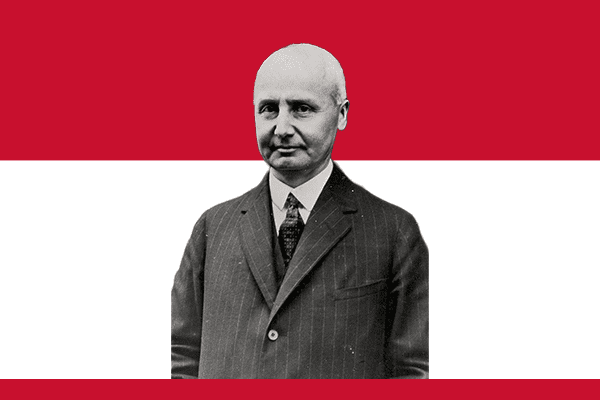
Early Life and Education
Erik Scavenius was born on June 13, 1877, in Klintholm, Denmark. He belonged to a noble family with a strong political background. From a young age, he showed interest in politics, history, and international affairs. He studied law and political science, which helped him develop a deep understanding of diplomacy and governance.
After completing his education, Scavenius entered public service and began working in the Danish Foreign Ministry. His intelligence and diplomatic abilities quickly earned him recognition. Instead of avoiding difficult negotiations, he actively handled complex international matters.
Political Career
Erik Scavenius served in several important political positions throughout his career. He became Denmark’s Foreign Minister in 1909 and worked to maintain peaceful relations with European countries. During World War I, he followed a policy of neutrality to keep Denmark out of the conflict. His diplomatic efforts helped Denmark avoid war and maintain stability.
Scavenius strongly believed that small nations needed practical diplomacy rather than aggressive confrontation. He preferred negotiation and compromise over military conflict. This approach shaped most of his political decisions throughout his life.
Role During World War II
Erik Scavenius became one of the most controversial figures in Danish history during World War II. In 1940, Nazi Germany invaded Denmark. The Danish government quickly surrendered because military resistance would likely have caused heavy destruction and loss of life.
Scavenius supported cooperation with Germany to preserve Danish independence as much as possible. He believed that open resistance against the powerful German army would damage Denmark severely. In 1942, he became Prime Minister of Denmark and continued the policy of cooperation with German authorities.
Rather than encouraging rebellion, he focused on protecting Danish institutions, economy, and citizens. He negotiated with German officials and attempted to reduce tensions. Although many Danes disagreed with his methods, he argued that practical diplomacy offered the safest path for the country.
Criticism and Controversy
Many people criticized Erik Scavenius for cooperating with Nazi Germany. Resistance groups and political opponents believed he compromised Denmark’s honor and freedom. They argued that the government should have resisted the occupation more strongly.
However, some historians defend Scavenius and claim that his policies prevented greater suffering. Denmark managed to preserve much of its government structure and protected many citizens during the occupation. His supporters believe he acted according to difficult wartime realities rather than personal ambition.
The debate over his actions continues today. Some view him as overly accommodating, while others see him as a pragmatic leader facing impossible circumstances.
Later Life and Legacy
After World War II ended, Erik Scavenius withdrew from active politics. He spent his later years reflecting on the decisions he made during the war. Although controversy surrounded his reputation, historians continued studying his policies and leadership style.
Scavenius died on November 28, 1962. His legacy remains complex because people interpret his actions differently. Nevertheless, he played a significant role in Danish history and influenced Denmark’s wartime strategy.
Conclusion
Erik Scavenius was a skilled diplomat and political leader who guided Denmark through extremely challenging times. He believed in negotiation, compromise, and practical diplomacy instead of military confrontation. While many criticized his cooperation with Germany during World War II, others argued that he helped protect Denmark from greater harm. His life and career continue to spark debate, making him one of the most discussed political figures in Danish history.