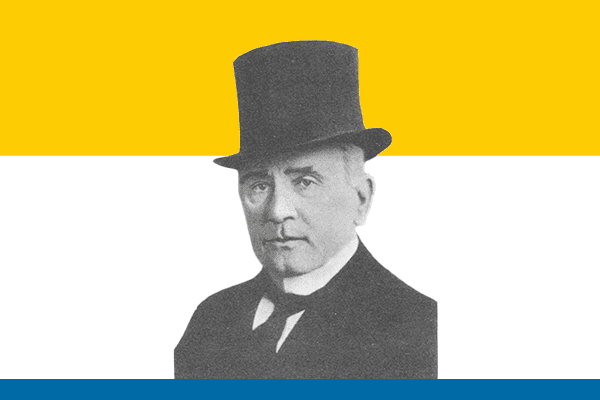
Early Life and Education
Ernst Trygger was born on October 27, 1857, in Skövde, Sweden. He grew up in an intellectually stimulating environment that encouraged education and discipline. He pursued higher studies in law at Uppsala University, where he developed a strong interest in constitutional and administrative law.
He excelled academically and earned recognition for his legal expertise. After completing his studies, he worked as a professor of law, where he actively contributed to academic discussions and influenced future generations of legal scholars.
Academic and Legal Career
Trygger built a distinguished academic career before fully entering politics. He served as a professor of law at Uppsala University and gained a reputation as a knowledgeable and disciplined legal thinker. He focused on constitutional law and emphasized the importance of strong legal frameworks in maintaining national stability.
Rather than limiting himself to theory, he applied his knowledge to real-world governance issues. His academic background provided him with the tools to engage effectively in political debates and policymaking.
Political Career
Ernst Trygger actively participated in Swedish politics as a member of the conservative party. He served in the Swedish Parliament, where he advocated for traditional values and a cautious approach to reform. He opposed rapid democratic changes, particularly the expansion of voting rights, as he believed such changes could destabilize society.
In 1923, he became Prime Minister of Sweden. During his tenure, he led a conservative government that emphasized stability, law, and order. He worked to maintain the authority of established institutions and resisted policies that he considered too radical.
Leadership as Prime Minister
As Prime Minister, Trygger focused on maintaining political stability in a time of change. Sweden experienced significant democratic reforms during this period, including the expansion of suffrage. Trygger approached these developments cautiously and often resisted further reforms.
He actively engaged in parliamentary debates and defended his policies with strong legal arguments. His leadership style reflected discipline and a commitment to conservative principles. However, his government faced challenges due to growing support for more progressive policies among the जनता.
Challenges and Political Opposition
Trygger’s conservative stance brought him into conflict with liberal and social democratic groups. These groups pushed for broader democratic reforms and social changes, which Trygger often opposed. As a result, his government struggled to maintain widespread support.
His tenure as Prime Minister remained relatively short, lasting only about a year. Despite this, he made a lasting impact on Swedish political discourse by articulating a clear conservative perspective during a period of transformation.
Later Life and Legacy
After leaving office, Ernst Trygger continued to influence Swedish politics and legal thought. He remained active in public life and contributed to discussions on governance and law. His work as a legal scholar and politician left a lasting mark on Sweden’s intellectual and political landscape.
Trygger’s legacy reflects his dedication to stability, order, and constitutional principles. While many disagreed with his resistance to democratic reforms, they respected his commitment to his beliefs and his intellectual rigor.
Conclusion
Ernst Trygger stands as an important figure in Sweden’s political history. He actively shaped debates during a time of significant change and provided a strong conservative voice in the evolution of Swedish democracy. His contributions to law and politics continue to be studied and remembered.