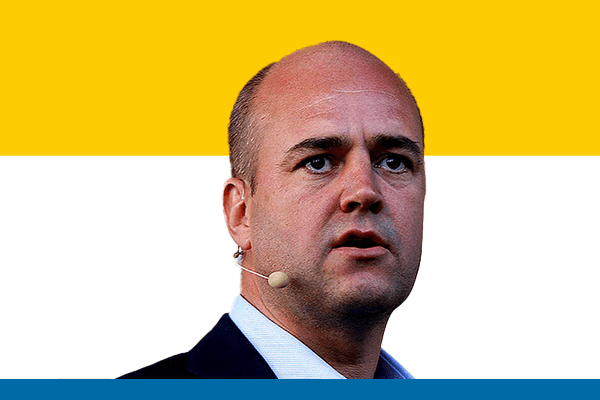
Early Life and Background
Fredrik Reinfeldt was born on August 4, 1965, in Stockholm, Sweden. He grew up in a middle-class family and developed an early interest in politics and public affairs. He pursued higher education at Stockholm University, where he studied economics and business administration. During his student years, he actively participated in political discussions and organizations, which strengthened his leadership skills.
He joined the Moderate Youth League and quickly rose through its ranks. His dedication and strategic thinking earned him recognition within the party, setting the foundation for his future political career.
Political Rise
Reinfeldt entered the Swedish Parliament (Riksdag) in 1991. He gained experience in legislative work and built a reputation as a pragmatic and forward-thinking politician. In 2003, he became leader of the Moderate Party and initiated major reforms within the party.
He shifted the party’s image from a traditional conservative stance to a more inclusive and worker-friendly approach. He emphasized job creation, tax reforms, and social welfare improvements. This transformation helped the party connect with a broader segment of Swedish society.
Prime Ministership
In 2006, Fredrik Reinfeldt became Prime Minister after leading the Alliance for Sweden coalition to electoral victory. He actively pursued economic reforms aimed at increasing employment and reducing dependency on welfare. His government introduced tax cuts, encouraged entrepreneurship, and restructured parts of the welfare system.
During the global financial crisis of 2008, Reinfeldt demonstrated steady leadership. He implemented policies that protected Sweden’s economy and maintained stability. His government avoided severe economic downturns compared to many other countries, which strengthened his reputation as a capable leader.
He won re-election in 2010, becoming the first center-right prime minister in Sweden to secure a second consecutive term. This achievement reflected public confidence in his leadership and policies.
Leadership Style and Policies
Reinfeldt adopted a pragmatic and consensus-driven leadership style. He focused on collaboration and long-term planning rather than short-term political gains. He promoted responsible fiscal policies and emphasized the importance of work as the foundation of social welfare.
He also addressed immigration and integration issues, advocating for an open and inclusive society. His approach sparked debate but demonstrated his willingness to tackle complex challenges.
Later Life and Contributions
After stepping down as Prime Minister in 2014, Reinfeldt remained active in public life. He engaged in international discussions, wrote books, and contributed to debates on global governance and economic policy. He later took on leadership roles in sports administration, including serving as chairman of the Swedish Football Association.
His continued involvement in public affairs reflects his commitment to leadership and societal development beyond politics.
Legacy and Significance
Fredrik Reinfeldt reshaped Swedish politics by modernizing the Moderate Party and strengthening center-right governance. He played a crucial role in guiding Sweden through economic challenges while maintaining stability and growth.
His emphasis on employment, fiscal discipline, and inclusive policies left a lasting impact on Sweden’s political landscape. He remains a key figure in contemporary Swedish history.
Conclusion
Fredrik Reinfeldt’s career highlights effective leadership, adaptability, and a commitment to reform. Through active governance and strategic vision, he influenced Sweden’s development during a critical period. His legacy continues to shape political discussions in Sweden and beyond.