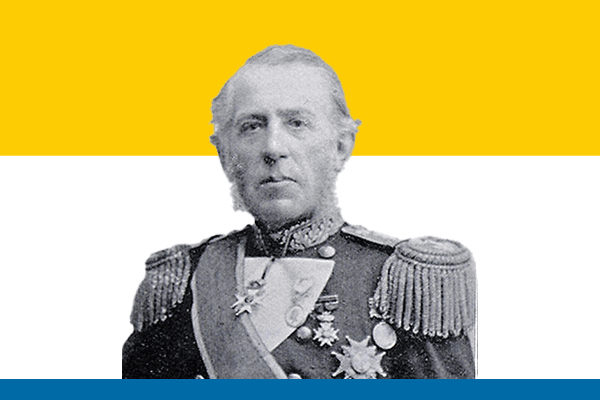
Early Life and Background
Fredrik von Otter was born on 11 April 1833 into a noble Swedish family with a strong military tradition. He pursued a career in the navy, where he developed leadership skills and gained valuable administrative experience. His naval background helped him build discipline and strategic thinking, which later influenced his political career. Through dedication and competence, he rose to high ranks and became a respected figure in Swedish society.
Political Career
Fredrik von Otter actively participated in Swedish politics after his successful naval career. He was appointed as Minister for Naval Affairs, where he efficiently handled naval reforms and administrative matters. His ability to manage complex responsibilities earned him recognition among political leaders.
In 1900, King Oscar II appointed him as Prime Minister of Sweden. He took charge of the government during a time when Sweden faced internal political challenges and increasing demands for democratic reforms. He led the government with a focus on maintaining order and stability.
Leadership and Governance
Fredrik von Otter led his administration with caution and pragmatism. He emphasized strong governance and worked to balance traditional monarchy with emerging democratic ideas. Several administrative improvements were introduced under his leadership, and efforts were made to strengthen Sweden’s institutional framework.
Although sweeping reforms were not aggressively pursued, gradual changes were implemented to address political pressures. Policies were designed carefully, and stability was prioritized over rapid transformation. His leadership ensured that political conflicts were managed peacefully.
Challenges and Resignation
Fredrik von Otter faced growing pressure for democratic reforms, especially regarding suffrage and parliamentary representation. His conservative approach was criticized by reformists who demanded faster political change. Over time, political tensions increased, and it became difficult for his government to satisfy all factions.
In 1902, he resigned from the position of Prime Minister. His resignation marked the end of a cautious but stable administration. After stepping down, he withdrew from active politics but remained a respected public figure.
Legacy
Fredrik von Otter’s contribution to Sweden lies in his commitment to stability and orderly governance. He maintained administrative efficiency during a period of political change and helped prepare the country for future democratic reforms. His leadership demonstrated the importance of balancing tradition with gradual progress.
His legacy continues to be remembered in Swedish history as a leader who guided the nation through a transitional phase with discipline and responsibility.
Herding (Conclusion)
In conclusion, Fredrik von Otter played a crucial role in Sweden’s political history by ensuring stability during a time of change. His cautious approach to governance and emphasis on administration allowed Sweden to transition smoothly toward a more democratic system. Although his reforms were gradual, they laid the foundation for future developments. His leadership highlights the value of patience, discipline, and balanced decision-making in governance.