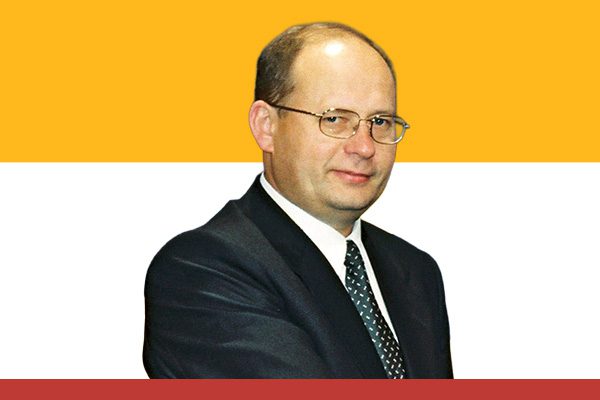
Mr. Gediminas Vagnorius
In Office: 4 December 1996 – 3 May 1999
13 January 1991 – 21 July 1992
Political Party: Independent
Home State: Vasiuliškė
Lifespan: born 1957
Country: Lithuania
Image credits available here.
Early Life and Education
Gediminas Vagnorius was born on June 11, 1957, in Lithuania, which was then part of the Soviet Union. From an early age, he showed a strong interest in economics and public affairs. He pursued higher education in economics and developed expertise in financial and economic management.
During his academic years, Vagnorius studied economic systems and explored ways to improve economic performance. His education provided a solid foundation for the leadership roles he later assumed in government. As Lithuania moved toward independence, his economic knowledge became increasingly valuable.
Entry into Politics
In the late 1980s and early 1990s, Lithuania experienced a growing independence movement. Vagnorius actively participated in political developments and supported efforts to restore national sovereignty. He joined reform-oriented groups that sought democratic governance and economic freedom.
After Lithuania declared independence in 1990, political leaders faced enormous challenges. The country needed to establish new institutions, create economic policies, and reduce dependence on the Soviet system. Vagnorius contributed to these efforts and quickly gained influence within the government.
First Term as Prime Minister
In 1991, Gediminas Vagnorius became Prime Minister of Lithuania. During this period, the country faced economic uncertainty and political pressure. He worked to stabilize the economy and strengthen government institutions.
His administration introduced reforms that encouraged private enterprise and market competition. These measures helped Lithuania move away from a centrally planned economy. Although the transition created short-term difficulties, many experts viewed the reforms as necessary steps toward long-term growth.
Vagnorius also supported international cooperation and sought stronger relations with Western countries. His government promoted policies that aligned Lithuania with European democratic standards.
Second Term and Economic Reforms
Vagnorius returned as Prime Minister in 1996. During his second term, he continued efforts to modernize the economy. His government emphasized fiscal discipline, investment, and business development.
He encouraged economic restructuring and supported initiatives that improved infrastructure and public administration. Under his leadership, Lithuania made further progress toward integration with European institutions.
Despite facing political challenges and criticism from opponents, Vagnorius remained committed to economic modernization. His administration focused on creating conditions for sustainable growth and greater international competitiveness.
Political Legacy
Gediminas Vagnorius left a lasting impact on Lithuania’s political and economic development. His leadership helped guide the country through a difficult transition period. Many of the reforms introduced during his time in office contributed to the foundation of Lithuania’s modern economy.
Supporters praise his determination, economic expertise, and commitment to national independence. Historians often recognize him as one of the key political figures who helped Lithuania establish a stable democratic system after the collapse of Soviet control.
Conclusion
Gediminas Vagnorius played a significant role in shaping contemporary Lithuania. As an economist and political leader, he guided important reforms that supported economic freedom, democratic governance, and national development. His contributions during the early years of Lithuanian independence remain an important part of the country’s history. Through decisive leadership and a focus on modernization, Vagnorius helped Lithuania build the foundations of a successful and independent state.