Mr. George Canning
In Office: 12 April 1827 – 8 August 1827
Political Party: Tory
Home State: Marylebone
Lifespan: 1770–1827
Country: United Kingdom
Image credits available here.
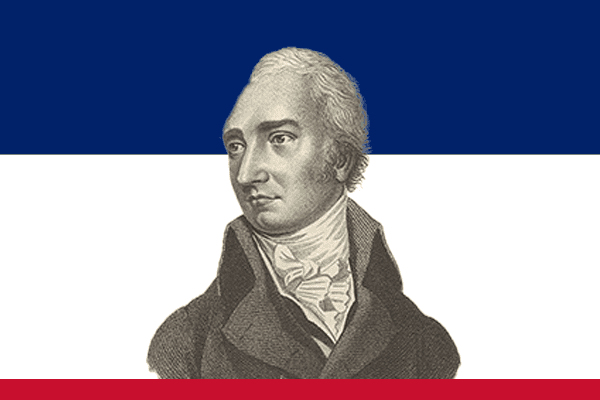
Early Life and Political Rise
George Canning was born on 11 April 1770 in London, England. He came from a family of limited means after the early death of his father. Despite financial hardship, he received a strong education at Eton College and Christ Church, Oxford. His intelligence and wit quickly became apparent, and he attracted the attention of powerful patrons. William Pitt the Younger recognized Canning’s talent and helped him enter Parliament in 1793.
Canning soon established himself as one of the most gifted speakers in the House of Commons. He supported Pitt’s Tory government and defended strong policies during the wars against Revolutionary and Napoleonic France. His speeches combined sharp logic, humor, and confidence, making him a rising star in British politics. Over time, he gained experience in several important offices, including Treasurer of the Navy and President of the Board of Control.
Foreign Secretary and National Influence
George Canning achieved his greatest success as Foreign Secretary. He first held the office from 1807 to 1809 and later returned to it from 1822 to 1827. During this period, he shaped a foreign policy that emphasized British independence and national interest. Unlike many conservative European leaders, Canning did not want Britain to become a tool of the reactionary alliances formed after Napoleon’s defeat.
He strongly opposed excessive interference by the great powers in the internal affairs of other nations. He also supported the independence movements in Latin America, where former Spanish colonies sought freedom. By recognizing these new states, Canning expanded British trade and influence. His famous claim that he had “called the New World into existence to redress the balance of the Old” captured his confidence and vision.
Canning also played a major role in supporting Greece during its struggle for independence from the Ottoman Empire. His diplomacy helped move Britain toward a more active and sympathetic role in European liberal causes. These actions strengthened his reputation at home and abroad.
Prime Ministership in 1827
In April 1827, George Canning became Prime Minister after the illness and resignation of Lord Liverpool. His appointment marked a turning point in British politics. Many traditional Tory politicians distrusted him because of his moderate views, especially on Catholic emancipation and foreign policy. As a result, several senior ministers refused to serve under him. This opposition weakened his government from the beginning.
Even so, Canning formed a coalition that included moderate Tories and some Whig support. He hoped to create a broader and more flexible government. His leadership suggested that British politics might move in a more liberal direction. However, his time in office was extremely short. Poor health quickly limited his ability to govern, and he died on 8 August 1827, after serving only 119 days as Prime Minister.
Legacy and Historical Importance
Although George Canning’s premiership was brief, his historical importance remains strong. He demonstrated that intelligence, eloquence, and diplomatic skill could elevate a leader even in a divided political system. His foreign policy achievements had lasting consequences for Britain’s global influence. He supported national self-determination more openly than many of his contemporaries and promoted a practical, independent approach to diplomacy.
Canning also represented a transitional figure in British politics. He stood between the old rigid Toryism and the more moderate conservatism that later leaders would embrace. His career showed that the British government was slowly adapting to new political realities at home and abroad.