Mr. Georges Theunis
In Office: 20 November 1934 – 25 March 1935
16 December 1921 – 13 May 1925
Political Party: Catholic Party
Home State: Saint-Nicolas
Lifespan: 1873–1966
Country: Belgium
Image credits available here.
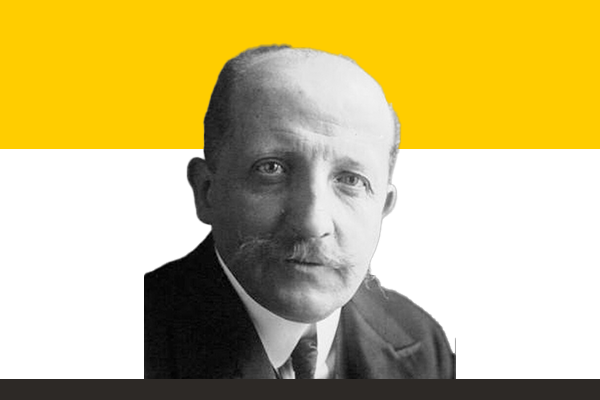
Early Life and Education
Georges Theunis was born on February 28, 1873, in Montegnée, Belgium. He grew up in an environment that valued education and public service. Theunis pursued economics and finance at the Catholic University of Leuven, where he developed a strong understanding of monetary policy and public finance. His academic excellence prepared him for a distinguished career in both the financial sector and public administration.
Rise in the Financial and Political World
Before entering politics, Theunis built his reputation as an economist and banker. He joined the Société Générale de Belgique, one of the country’s leading financial institutions, and quickly advanced due to his analytical mind and leadership abilities. His experience in the banking sector helped him gain insights into national and international economics.
As Belgium faced post–World War I economic challenges, Theunis used his expertise to advise the government on financial stability. Recognizing his competence, the Belgian leadership invited him to participate in financial committees and international economic conferences. His growing influence and reputation paved his way into national politics.
First Term as Prime Minister (1921–1925)
In 1921, King Albert I appointed Georges Theunis as Prime Minister of Belgium. Theunis accepted the challenge of leading a country still recovering from the devastation of World War I. Instead of relying solely on external assistance, he implemented policies that encouraged domestic production and fiscal discipline. He introduced tax reforms, strengthened national industries, and promoted infrastructure development to stimulate economic growth.
Theunis also sought to restore Belgium’s credit reputation. He negotiated financial agreements and collaborated with international partners to stabilize the Belgian franc. His cabinet focused on balancing the budget and improving social conditions for citizens affected by the war. By acting decisively, Theunis rebuilt trust in the Belgian economy and strengthened the nation’s international standing.
Leadership in Economic Reconstruction
As a pragmatic leader, Theunis understood that economic growth depended on stable governance. He coordinated closely with ministers, economists, and industrial leaders to modernize Belgium’s economy. He encouraged the expansion of transportation networks and energy resources, which laid the foundation for future industrial growth.
His policies also aimed to create harmony between employers and workers. Theunis supported social dialogue and believed that collaboration between labor and capital could prevent industrial unrest. Under his leadership, the government introduced measures that improved working conditions and addressed unemployment.
Second Term as Prime Minister (1934–1935)
In 1934, during a period of global economic crisis, King Leopold III appointed Theunis to lead Belgium once again. The world faced the Great Depression, and Belgium’s industries suffered from reduced demand. Theunis responded with determination. He implemented monetary reforms, reorganized the national budget, and introduced austerity measures to stabilize public finances.
He also strengthened Belgium’s participation in international economic conferences, emphasizing cooperation to overcome global financial difficulties. His leadership during this turbulent period reaffirmed his commitment to fiscal responsibility and economic recovery.
Later Contributions and Legacy
After leaving the premiership, Theunis continued to serve Belgium as an advisor and diplomat. He represented the country in various international economic discussions, including the League of Nations. His knowledge and integrity earned him respect from both domestic and foreign leaders.
Georges Theunis passed away on January 4, 1957, but his influence remained strong. His economic strategies and administrative reforms continued to shape Belgian policy for decades.
Conclusion
Prime Minister Georges Theunis led Belgium with intellect, discipline, and foresight. He transformed postwar challenges into opportunities for economic renewal. By focusing on fiscal stability, industrial development, and international cooperation, he ensured Belgium’s steady progress during difficult times. His legacy stands as a model of responsible governance and pragmatic leadership in modern European history.