Mr. Gijsbert van Tienhoven
In Office: 21 August 1891 – 9 May 1894
Political Party: Independent Liberal
Home State: Nijmegen
Lifespan: 1841–1914
Country: Netherland
Image credits available here.
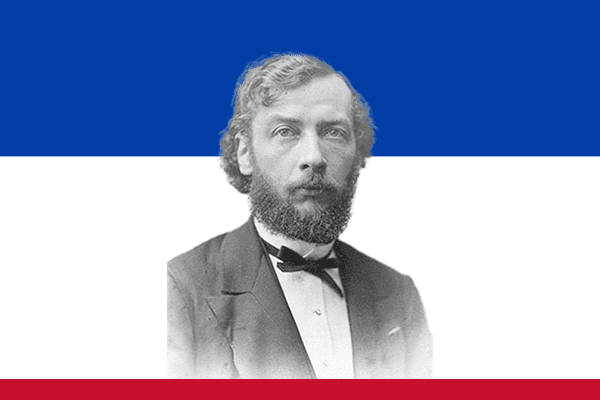
Early Life and Background
Gijsbert van Tienhoven was born on February 12, 1841, in Amsterdam. He grew up in a well-educated and politically aware family. He pursued higher education in law and developed a strong understanding of governance and administration. His early experiences helped him build a foundation for a future in public service.
He started his political career at the municipal level. He served as the Mayor of Amsterdam, where he gained recognition for his administrative skills and leadership abilities. During his tenure, he improved urban management and strengthened local governance.
Rise to Power
Van Tienhoven entered national politics as a member of the Liberal Party. His dedication and competence earned him respect among his peers. In 1891, he became Prime Minister of the Netherlands. He also held the position of Minister of the Interior, which allowed him to directly influence domestic policies.
He led a liberal coalition government during a time when political parties were still evolving. His leadership required careful negotiation and balance among different political interests.
Policies and Achievements
Van Tienhoven focused on administrative reforms and social progress. He promoted policies that strengthened local governance and improved public administration. His government worked to modernize infrastructure and support economic growth.
He supported moderate social reforms, particularly in areas such as education and labor conditions. He believed that gradual change would create stability and long-term progress. His government also addressed issues related to suffrage, although full expansion of voting rights occurred later.
Leadership Style
Van Tienhoven led with a pragmatic and balanced approach. He encouraged cooperation among political groups and avoided extreme positions. His leadership emphasized dialogue and compromise, which helped maintain political stability.
He focused on practical solutions rather than ideological debates. This approach allowed his government to function effectively despite political challenges. His calm and steady leadership earned him respect from colleagues and citizens alike.
Challenges and Resignation
Van Tienhoven faced several challenges during his tenure. Political divisions and debates over electoral reform created tension within the government. These disagreements eventually weakened his administration.
In 1894, his government resigned due to conflicts over suffrage reform. Despite these challenges, he maintained his reputation as a capable and principled leader.
Later Life and Legacy
After leaving office, van Tienhoven remained active in public life. He continued to contribute to political and social discussions in the Netherlands. He passed away on March 14, 1914.
His legacy lies in his efforts to promote liberal values and strengthen democratic institutions. He helped guide the Netherlands through a period of transition and laid the groundwork for future reforms.
Conclusion
Gijsbert van Tienhoven played a significant role in Dutch political history. He demonstrated effective leadership during a time of change and uncertainty. His commitment to reform, stability, and cooperation defined his tenure as Prime Minister.