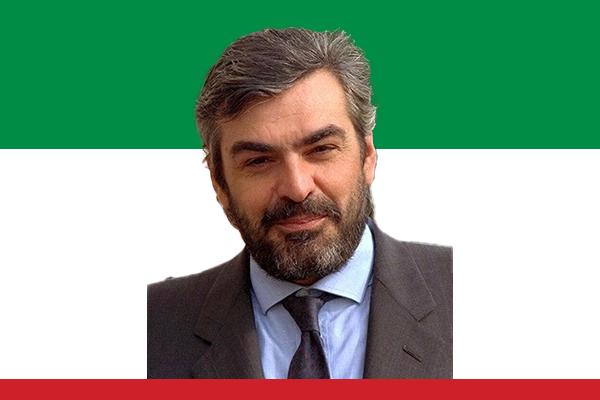
Prime Minister Giovanni Goria: A Brief Political Journey
Giovanni Goria, a significant figure in Italian politics, actively shaped the country’s economic and political framework during his tenure. Born on July 30, 1943, in Asti, Italy, Goria entered politics with a strong commitment to economic reform, social welfare, and effective governance. From the beginning, he actively pursued policies that modernized Italy’s administration and strengthened its economic foundations.
Early Political Career
Goria began his political career with the Christian Democracy Party (Democrazia Cristiana, DC), quickly gaining recognition for his dedication and analytical skills. He actively participated in local politics in Asti, advocating for social programs and economic development initiatives that benefited his community. By the early 1970s, Goria had secured a seat in the Italian Chamber of Deputies, where he actively contributed to financial and economic policies, emphasizing transparency, efficiency, and sustainable development.
Rise in National Politics
Throughout the 1970s and early 1980s, Goria actively advanced within the ranks of the DC. He actively collaborated with senior party leaders and developed a reputation as a pragmatic politician capable of balancing party priorities with national interests. He actively promoted fiscal responsibility while supporting social welfare programs, demonstrating a nuanced approach to governance that appealed to a broad constituency. His ability to negotiate and build consensus positioned him as a trusted figure for higher governmental responsibilities.
Prime Minister of Italy
Giovanni Goria served as Italy’s Prime Minister from July 1987 to April 1988. During his tenure, he actively implemented policies aimed at economic stabilization, fiscal reform, and public administration efficiency. Goria actively worked with parliament to introduce legislation that controlled inflation, streamlined taxation, and promoted industrial growth. He actively engaged with both business leaders and labor unions to ensure policies balanced economic development with social protection, reflecting his pragmatic approach to governance.
Ministerial Leadership
Before and after his term as Prime Minister, Goria held several key ministerial positions, where he actively influenced Italy’s economic policy. As Minister of Finance, he actively developed strategies for budget management, fiscal discipline, and modernization of the tax system. As Minister of Treasury, he actively oversaw financial planning and public investment, ensuring that Italy maintained economic stability amidst global and domestic challenges. His proactive leadership consistently emphasized efficiency, accountability, and sustainable development.
International Engagement
Goria actively represented Italy on the international stage, participating in economic and diplomatic discussions within the European Community and beyond. He actively strengthened Italy’s international economic relationships, negotiated trade agreements, and contributed to collaborative European financial initiatives. His active participation reinforced Italy’s role as a constructive partner in European integration and international economic cooperation.
Legacy and Impact
Even after his tenure as Prime Minister, Giovanni Goria actively contributed to public discourse on economic and political reforms. He actively mentored younger politicians, wrote on financial and governance issues, and remained involved in shaping Italy’s policy discussions. His leadership, characterized by pragmatism, diligence, and a focus on results, left a lasting imprint on Italian politics, particularly in economic governance and administrative efficiency.
Giovanni Goria’s political career demonstrates active leadership, effective policymaking, and a commitment to balancing economic growth with social welfare. From his early local political engagement to serving as Prime Minister, Goria actively shaped Italy’s governance and left a legacy of pragmatic, results-oriented leadership.