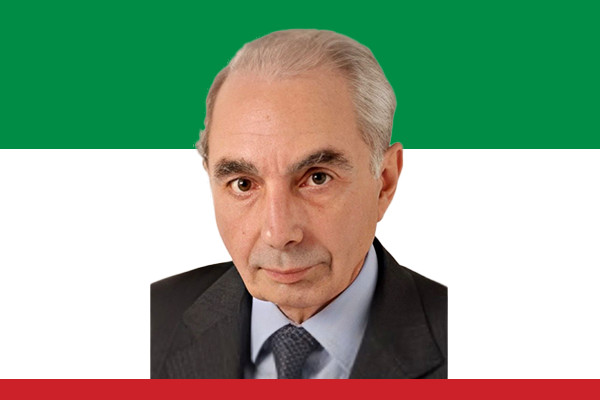
Prime Minister Giuliano Amato: A Visionary Leader in Italian Politics
Giuliano Amato, a prominent Italian statesman, actively shaped Italy’s political and economic policies over decades. Born on May 13, 1938, in Turin, Amato entered politics with a strong dedication to legal reform, economic modernization, and social progress. Throughout his career, he actively worked to strengthen Italy’s democratic institutions, implement economic reforms, and elevate Italy’s role in Europe and the world.
Early Political and Legal Career
Amato began his professional journey as a lawyer and academic, where he actively contributed to constitutional law and public administration studies. He actively taught at several universities, influencing a generation of legal scholars and policymakers. In the 1970s, he entered politics, joining the Italian Socialist Party (PSI). He actively engaged in legislative reforms and policy development, building a reputation as a thoughtful and effective political strategist.
Rise to National Prominence
In the 1980s, Amato actively assumed key roles in government, serving as Minister of Public Administration and later as Minister of the Treasury. He actively implemented policies to modernize Italy’s bureaucracy, reform taxation, and stabilize public finances. Amato actively collaborated with international financial institutions, ensuring Italy maintained strong economic credibility in Europe. His pragmatic approach to governance earned him recognition across party lines and positioned him as a leading figure in national politics.
Prime Minister of Italy
Giuliano Amato served as Prime Minister of Italy twice: first from 1992 to 1993 and then from 2000 to 2001. During his first term, he actively confronted Italy’s economic challenges, including fiscal deficits and inflation, by introducing tough but necessary austerity measures. Amato actively negotiated with European partners to stabilize Italy’s currency and secure Italy’s participation in the European Monetary Union.
During his second term, Amato actively focused on social policies, labor market reforms, and preparing Italy for the challenges of the new millennium. He actively engaged with both domestic stakeholders and European institutions, ensuring that Italy’s policies aligned with broader European standards and practices. His leadership reflected a balance between economic pragmatism and social responsibility, actively promoting reforms that strengthened Italy’s long-term growth.
Contributions to Constitutional and European Affairs
Beyond his terms as Prime Minister, Amato actively contributed to constitutional reforms and European integration. He actively participated in drafting legal frameworks that modernized Italy’s judiciary and public administration. At the European level, Amato actively represented Italy in discussions regarding the European Union, helping shape policies on economic governance, social policy, and institutional reform.
Legacy and Continuing Influence
Even after leaving high-profile government roles, Amato actively engages in public life, offering insights on legal reforms, economic policy, and European integration. He frequently writes, lectures, and participates in international forums, actively influencing policymakers, scholars, and the public. Giuliano Amato’s career demonstrates a commitment to pragmatic governance, constitutional integrity, and Italy’s active role in European affairs.
Giuliano Amato’s political and legal career illustrates active leadership, policy innovation, and a dedication to public service. From his early academic work to serving twice as Prime Minister, Amato actively shaped Italy’s economic, social, and legal frameworks, leaving a lasting impact on both national and European politics.