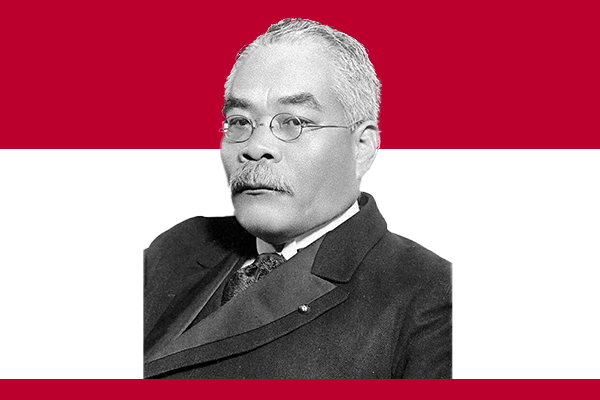
Early Life and Political Beginnings
Hamaguchi Osachi was born on May 1, 1870, in Kochi Prefecture, Japan. He grew up in a samurai family that valued education and public service. Hamaguchi studied law and economics at the prestigious Tokyo Imperial University. His strong academic background shaped his understanding of modern governance and economic policy. After completing his education, he joined the Ministry of Finance and quickly gained a reputation as a skilled administrator.
Entry into Politics
Hamaguchi entered politics through the Rikken Minseito Party, which promoted parliamentary democracy and economic modernization. He actively participated in debates on financial reform and government accountability. His speeches impressed senior party leaders, who recognized his leadership potential. Soon, he won a seat in the House of Representatives and built his reputation as a capable politician.
Rise to Prime Minister
The Rikken Minseito Party selected Hamaguchi as its leader because of his expertise in economics and governance. In 1929, Emperor Hirohito appointed him as the Prime Minister of Japan. Hamaguchi accepted the challenge at a time when Japan faced economic difficulties and political instability. He promised to stabilize the nation’s finances, promote democracy, and improve Japan’s global standing.
Economic and Political Reforms
As Prime Minister, Hamaguchi launched economic reforms to address the effects of the Great Depression. He reduced government spending and returned Japan to the gold standard to stabilize the currency. He encouraged industrial growth and worked to strengthen trade relations with Western countries. His cabinet also promoted democratic principles, aiming to reduce the influence of military leaders in politics.
Hamaguchi strongly supported international cooperation. Under his leadership, Japan signed the London Naval Treaty of 1930, which limited naval armaments and reduced the risk of conflict with Western powers. He believed diplomacy and economic growth would secure Japan’s future as a modern nation.
The Assassination Attempt
In 1930, Hamaguchi’s reforms angered some military extremists who opposed his efforts to limit their power. On November 14, 1930, an assassin shot him at Tokyo Station. Despite severe injuries, Hamaguchi continued to direct the government’s affairs while recovering in the hospital. His determination to serve the nation even after the attack inspired many Japanese citizens.
Final Days and Legacy
Hamaguchi returned to office briefly in 1931 but resigned due to worsening health caused by the assassination attempt. He passed away on August 26, 1931. Japan remembered him as a courageous leader who promoted democracy, economic modernization, and international peace.
Hamaguchi’s legacy lives on as historians credit him with strengthening Japan’s democratic institutions during a challenging era. His reforms laid the foundation for future economic growth, and his dedication to public service continues to inspire generations of Japanese leaders.