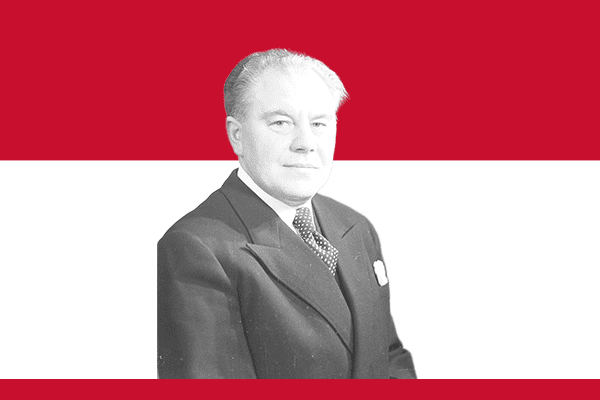
Early Life and Education
Hans Hedtoft was born on January 21, 1903, in Aarhus, Denmark. He grew up in a working-class family, which shaped his understanding of social inequality and workers’ rights. From an early age, he showed interest in politics and social justice.
He completed his education in Denmark and became involved in labor organizations during his youth. His active participation in political discussions helped him develop strong leadership qualities. Hedtoft joined the Social Democratic Party and quickly gained recognition for his dedication and communication skills.
Political Career
Hans Hedtoft began his political career as a member of the Danish Parliament. He worked hard to represent ordinary citizens and focused on improving living conditions for workers and families. His speeches and policies attracted widespread support among the Danish people.
During World War II, Denmark faced German occupation, and political leaders had to make difficult decisions. Hedtoft supported democratic values and encouraged national unity during challenging times. After the war ended, he became one of the leading figures in rebuilding the nation.
In 1947, Hans Hedtoft became Prime Minister of Denmark for the first time. He focused on economic recovery, housing development, healthcare improvements, and education reforms. Instead of maintaining outdated systems, he promoted modernization and social welfare programs that benefited citizens across the country.
Leadership and Achievements
As Prime Minister, Hedtoft actively strengthened Denmark’s welfare state. He introduced policies that improved healthcare services, social security, and workers’ rights. His government encouraged economic stability and supported industrial development.
He also played an important role in international affairs. Hedtoft supported Denmark’s cooperation with Western nations after World War II. He believed that international partnerships could protect peace and strengthen economic growth. Denmark joined important global organizations during this period, which increased the country’s influence in world politics.
One of Hedtoft’s major achievements involved Greenland. He worked to strengthen the relationship between Denmark and Greenland and promoted reforms that improved administration and living conditions there. His efforts demonstrated his interest in national unity and equality.
Challenges in Office
Although Hans Hedtoft achieved many successes, he also faced political challenges. Economic difficulties and disagreements among political parties created pressure on his government. Despite criticism, he remained committed to democratic principles and continued working for social progress.
He served as Prime Minister twice, first from 1947 to 1950 and later from 1953 until his death in 1955. During his second term, he focused on strengthening Denmark’s economy and expanding welfare programs. His leadership helped stabilize the country during a period of change.
Personal Life and Character
Hans Hedtoft earned respect for his honesty, intelligence, and dedication to public service. He connected easily with ordinary citizens and understood their concerns. His humble background allowed him to relate to workers and middle-class families.
He valued democracy, equality, and social responsibility. Rather than seeking personal power, he concentrated on improving the lives of Danish citizens. His speeches often inspired people to work together for national progress.
Legacy
Hans Hedtoft left a lasting impact on Danish politics and society. His contributions to the welfare state helped shape modern Denmark. Many of his reforms improved healthcare, education, and social security for future generations.
Historians remember him as a leader who guided Denmark through reconstruction and modernization after World War II. His commitment to democracy and social justice continues to inspire political leaders today.
Conclusion
Hans Hedtoft played a crucial role in Denmark’s political and social development during the twentieth century. Through active leadership, he strengthened democracy, expanded welfare programs, and supported international cooperation. His dedication to public service and social equality made him one of Denmark’s most respected political figures.