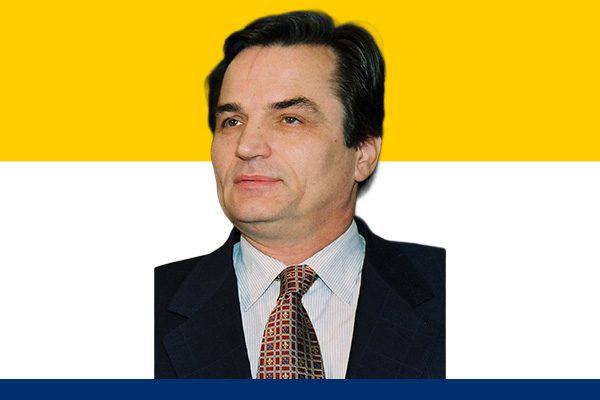
Mr. Haris Silajdzic
In Office: 31 May 1994 – 31 January 1996
Political Party: Democratic Action
Home State: Breza
Lifespan: born 1945
Country: Bosnia and Herzegovina
Image credits available here.
Early Life and Education
Haris Silajdžić was born on 1 October 1945 in Breza, Bosnia and Herzegovina, which was then part of the former Yugoslavia. He completed his early education in Sarajevo before pursuing higher studies in Arabic language and Islamic studies. He graduated from the University of Sarajevo and later worked as a lecturer and translator. His academic background gave him excellent communication skills and a deep understanding of international cultures, which proved valuable during his diplomatic career.
Entry into Politics
Haris Silajdžić entered politics in the early 1990s when Yugoslavia was breaking apart. He joined the Party of Democratic Action (SDA) and quickly emerged as one of the country’s leading political figures. As Bosnia and Herzegovina declared independence in 1992, he accepted the responsibility of serving the newly formed government. During this difficult period, he represented Bosnia on the international stage and worked tirelessly to gain diplomatic support for his country.
Prime Minister and Foreign Minister
Silajdžić served as the Prime Minister of Bosnia and Herzegovina from 1993 to 1996. During the Bosnian War, he focused on securing international assistance and strengthening Bosnia’s diplomatic relations. He frequently addressed world leaders and international organizations to highlight the humanitarian crisis affecting his country.
After serving as Prime Minister, he continued his public service as the Foreign Minister. In this role, he promoted Bosnia’s integration into international institutions and encouraged cooperation with neighboring countries. His diplomatic efforts helped improve Bosnia’s global standing and supported its post-war recovery.
Chairman of the Presidency
In 2006, Haris Silajdžić was elected as the Bosniak member of the Presidency of Bosnia and Herzegovina and later served as the Chairman of the Presidency. During his tenure, he advocated constitutional reforms aimed at creating a stronger and more unified state. He consistently emphasized equality among all citizens and worked to strengthen democratic institutions.
Silajdžić also represented Bosnia at numerous international conferences and maintained close relations with global leaders. His speeches often focused on peace, justice, human rights, and regional stability.
Political Views and Contributions
Throughout his political career, Haris Silajdžić supported the preservation of Bosnia and Herzegovina as a united and sovereign nation. He argued for reforms that would improve the country’s political system and reduce ethnic divisions. His commitment to diplomacy earned him respect in many international circles.
In addition to politics, he encouraged educational development, cultural dialogue, and international cooperation. His ability to communicate with leaders from different regions helped strengthen Bosnia’s diplomatic partnerships.
Legacy
Haris Silajdžić remains one of the most significant political leaders in Bosnia and Herzegovina‘s modern history. His leadership during the country’s most challenging years demonstrated courage, determination, and dedication to national unity. Although his political views sometimes generated debate, his influence on Bosnia’s foreign policy and international recognition is widely acknowledged.
His contributions continue to shape discussions about constitutional reform, democracy, and the future of Bosnia and Herzegovina. Historians and political analysts often recognize him as an important architect of Bosnia’s post-war diplomatic efforts.
Conclusion
Haris Silajdžić has dedicated much of his life to public service, diplomacy, and the advancement of Bosnia and Herzegovina. From his academic beginnings to his leadership as Prime Minister, Foreign Minister, and Chairman of the Presidency, he consistently worked to promote peace, sovereignty, and international cooperation. His lasting contributions to Bosnian politics and diplomacy ensure that he remains an important figure in the country’s history and an influential voice in regional affairs.