Mr. Hasan Akhund
Assumed office:7 September 2021
Political Party: Taliban
Home State: Pashmul
Lifespan: Between 1945 and 1958
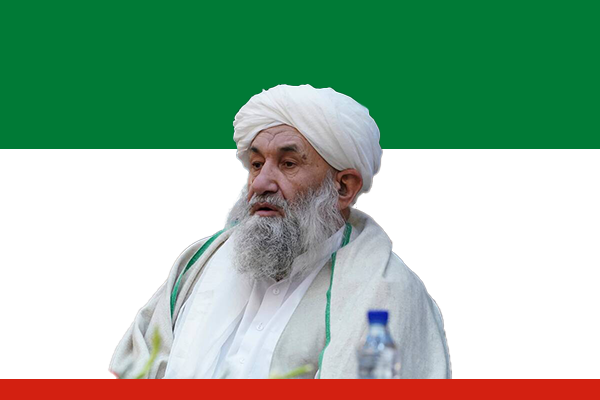
Early Life and Religious Background
Mullah Mohammad Hasan Akhund was born in Kandahar province, Afghanistan, although his exact birthdate remains uncertain. As a member of the Pashtun ethnic group, he gained recognition as a deeply conservative Islamic scholar. He studied in traditional madrasas and adopted the Deobandi school of Sunni Islam. His strong religious background and lack of military ambition earned him respect among the Taliban’s clerical leadership, especially during the early years of the movement.
Prominent Role in the First Taliban Regime (1996–2001)
During the Taliban’s first rule over Afghanistan from 1996 to 2001, Hasan Akhund held several high-level positions. He served as the Foreign Minister and later became the Deputy Prime Minister of the Islamic Emirate of Afghanistan. As a close associate of Mullah Mohammad Omar, the group’s founding leader, Akhund played a major role in shaping domestic policies and managing limited foreign engagements. He actively implemented the Taliban’s strict interpretation of Islamic law, which defined their governance during that era.
Post-2001 Activities and Continued Influence
After the U.S.-led invasion toppled the Taliban regime in 2001, Hasan Akhund went underground but continued to influence the movement. He became a senior member of the Quetta Shura, the Taliban’s main decision-making body in exile. In this capacity, he provided ideological guidance and helped preserve unity among the group’s ranks. Although he did not lead military operations, Akhund used his religious authority to maintain a lasting influence within the Taliban.
Return to Power and Appointment as Prime Minister
When the Taliban regained control of Afghanistan in August 2021, the leadership appointed Mullah Hasan Akhund as interim Prime Minister of the newly reestablished Islamic Emirate of Afghanistan in September 2021. The leadership selected him to balance power among various Taliban factions and to signal the group’s dedication to Islamic governance. They also preferred Akhund’s non-military background, which allowed them to project religious legitimacy over political or diplomatic sophistication.
Policies and Governance Approach
As Prime Minister, Akhund oversaw the Taliban’s efforts to rebuild Afghanistan’s governance structures. His administration focused on enforcing a strict interpretation of Sharia law. It introduced controversial measures, such as banning girls from secondary education and excluding women from most public roles. While Akhund occupied the highest political position, most observers believed Supreme Leader Hibatullah Akhundzada and his inner circle retained real decision-making authority.
Legacy and Political Image
People widely view Hasan Akhund as a hardline cleric who shows little interest in modern statecraft or international diplomacy. He rarely delivers public speeches or appears in the media, maintaining a low profile that reinforces his austere religious persona. His leadership highlights the Taliban’s prioritization of religious legitimacy over technocratic governance. As Afghanistan continues to face economic hardship and global isolation, history is likely to remember Akhund for his ideological rigidity and his symbolic representation of the Taliban’s traditionalist roots.