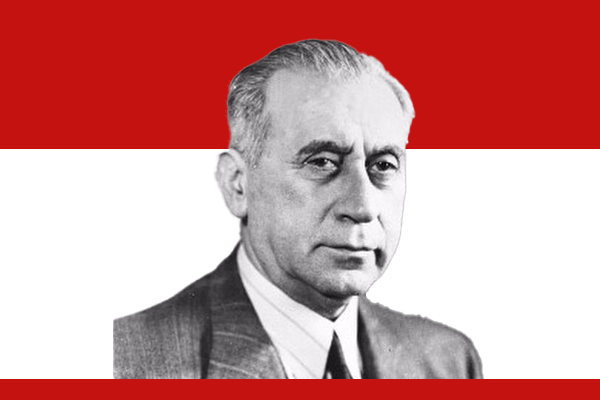
Early Life and Education
Hasan Saka was born in 1885 in Trabzon, a historic port city of the Ottoman Empire. From an early age, he showed a strong interest in education and public service. He pursued higher studies in law and administration, which equipped him with the intellectual foundation needed for a career in government. His education helped him understand both traditional Ottoman governance and modern European political ideas.
Entry into Politics
Hasan Saka entered public life during the final years of the Ottoman Empire and continued his service after the establishment of the Republic of Turkey in 1923. He aligned himself with the Republican People’s Party (CHP), which dominated Turkish politics under Mustafa Kemal Atatürk. Saka built his reputation as a disciplined administrator and an effective parliamentarian. He served in various ministerial positions, gaining experience in finance, foreign affairs, and internal administration.
Rise to the Office of Prime Minister
In 1947, Hasan Saka assumed the office of Prime Minister of Turkey. He took leadership at a time when Turkey needed stability and reform. The country faced pressure to modernize its political system and respond to global changes after World War II. Saka accepted this responsibility with a focus on continuity, moderation, and reform rather than radical change.
Domestic Policies and Democratic Reforms
As Prime Minister, Hasan Saka actively supported the gradual transition toward multi-party democracy. He worked to improve political freedoms and encouraged fairer electoral practices. Under his leadership, the government allowed greater political competition, which helped prepare Turkey for a more democratic future.
Saka also addressed economic concerns by promoting fiscal discipline and administrative efficiency. Although Turkey faced limited resources, his government focused on maintaining stability and public confidence during a challenging period.
Foreign Policy and International Relations
Hasan Saka placed strong emphasis on foreign policy. He guided Turkey closer to Western nations, especially the United States and European countries. His government supported cooperation with international organizations and defended Turkey’s strategic importance during the early Cold War.
Saka’s leadership strengthened Turkey’s alignment with the Western bloc, laying the groundwork for future alliances and international partnerships.
Challenges and Resignation
Despite his efforts, Hasan Saka faced political pressure from both within his party and the growing opposition. Critics demanded faster reforms and stronger economic progress. In 1949, recognizing the changing political climate, Saka resigned from office. His resignation reflected the evolving nature of Turkish politics rather than personal failure.
Legacy and Historical Importance
Hasan Saka left behind a legacy of responsible leadership and democratic transition. He acted as a bridge between single-party dominance and competitive politics in Turkey. Historians remember him as a cautious reformer who valued stability, legality, and international cooperation.
His tenure may have been brief, but his influence helped shape Turkey’s political direction during a pivotal era.
Conclusion
Prime Minister Hasan Saka played a vital role in guiding Turkey through post-war transformation. Through active leadership, democratic reforms, and balanced foreign policy, he contributed significantly to the nation’s political maturity. His work continues to hold importance in understanding Turkey’s journey toward modern democracy.