Early Life and Education
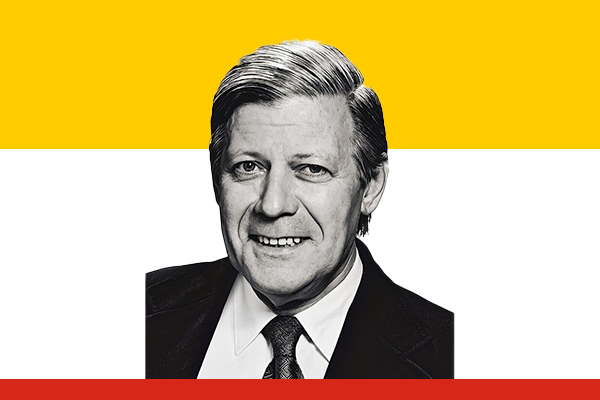
Helmut Schmidt was born on December 23, 1918, in Hamburg, Germany. He grew up in a middle-class family and pursued higher education in economics and political science. He served in the German army during World War II but survived the conflict and returned to Hamburg to engage in politics and public service. Schmidt’s early experiences shaped his pragmatic approach to leadership, emphasizing careful planning, discipline, and problem-solving.
Political Career Beginnings
After World War II, Schmidt joined the Social Democratic Party (SPD) and began his political career in Hamburg. He served as a city senator, focusing on finance and economic issues. His reputation for competence and efficiency grew, and he gained recognition as a capable administrator. Schmidt worked tirelessly to rebuild Hamburg’s infrastructure and economy, applying modern management techniques to public governance.
Rise to Federal Politics
Schmidt entered federal politics in the 1960s, serving as Minister of Defense from 1969 to 1972 and later as Minister of Finance from 1972 to 1974. In these roles, he introduced fiscal reforms, strengthened the Bundesbank’s independence, and promoted economic stability. His decisions reflected a balance between social welfare goals and prudent economic management, earning him respect across party lines.
Tenure as Chancellor
Helmut Schmidt became Chancellor of West Germany in May 1974, succeeding Willy Brandt. He led a coalition government of the SPD and the Free Democratic Party (FDP). Schmidt faced multiple challenges, including the 1973 oil crisis, rising inflation, unemployment, and international terrorism. He responded with decisive economic policies, stabilizing the currency and controlling inflation while maintaining social welfare programs.
Domestic and Economic Policies
Chancellor Schmidt emphasized fiscal responsibility and economic modernization. He implemented policies to encourage industrial growth, investment, and energy efficiency. He expanded social programs to support education, healthcare, and housing while controlling government spending. Schmidt’s pragmatic approach ensured that West Germany remained economically stable during turbulent global conditions.
International Diplomacy
Schmidt actively shaped Europe’s political landscape. He strengthened ties with NATO and the European Economic Community, promoting cooperation and economic integration. He worked closely with U.S. Presidents and other European leaders to address energy crises, Cold War tensions, and global security threats. Schmidt advocated for strong transatlantic relations while defending West Germany’s independence and strategic interests.
Crisis Management
Schmidt earned international recognition for his handling of crises, including the Red Army Faction (RAF) terrorist attacks in Germany. He coordinated law enforcement and security responses while upholding democratic principles. His calm, analytical, and pragmatic leadership reassured the public and preserved social order during periods of uncertainty.
Legacy and Contributions
After leaving office in 1982, Helmut Schmidt continued influencing German and global politics through writing, lectures, and advisory roles. People remember him as a pragmatic leader, skilled economist, and effective crisis manager. His policies strengthened Germany’s economy, modernized its political institutions, and enhanced its global standing. Schmidt’s leadership style emphasized rational decision-making, foresight, and public responsibility.
Conclusion
Helmut Schmidt guided West Germany through economic, social, and international challenges with pragmatism and skill. His leadership set a high standard for governance, balancing economic efficiency, social responsibility, and international diplomacy. Schmidt’s legacy endures as a model of rational, decisive, and principled political leadership.