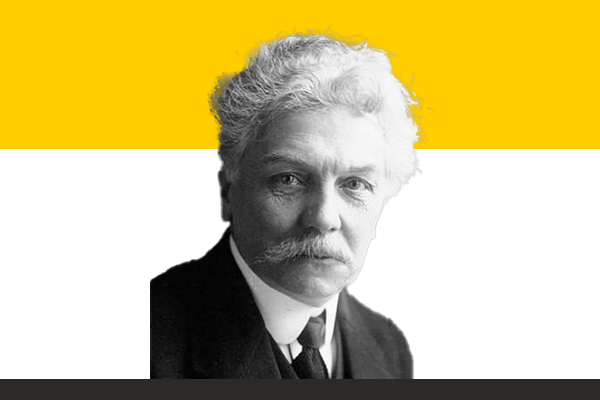
Mr. Henri Jaspar
In Office: 20 May 1926 – 6 June 1931
Political Party: Catholic Party
Home State: Schaerbeek
Lifespan: 1870–1939
Country: Belgium
Image credits available here.
Early Life and Political Foundations
Henri Jaspar was born on July 28, 1870, in Schaerbeek, Belgium. He pursued law at the Free University of Brussels and established himself as a skilled lawyer before entering politics. As an active member of the Catholic Party, Jaspar developed a deep interest in governance and national unity. He quickly earned recognition for his pragmatic approach and ability to mediate between opposing political factions. His legal expertise and disciplined mindset shaped his vision for a stable, well-governed Belgium.
Rise to Political Leadership
Jaspar began his political career as a member of the Chamber of Representatives. He played an active role in shaping Belgium’s post–World War I policies. During this period, he took part in economic reconstruction programs and championed social reforms to address the challenges of industrial workers and returning soldiers. His colleagues admired his capacity to balance social justice with economic development. Through determination and negotiation, Jaspar built trust among political allies and opponents alike.
As Belgium sought recovery after the Great War, Jaspar’s leadership qualities made him a strong candidate for higher office. In 1926, he became Prime Minister, assuming responsibility during one of the most complex economic and political periods in Belgium’s modern history.
Economic Reforms and Financial Stabilization
Prime Minister Jaspar took decisive steps to stabilize Belgium’s postwar economy. He worked closely with Finance Minister Émile Francqui to reorganize the national finances and restore public confidence. Together, they introduced fiscal reforms that strengthened the Belgian franc and ensured the country’s economic recovery. Jaspar also promoted industrial modernization, supporting Belgium’s coal, steel, and textile sectors to compete internationally.
He encouraged private investment and trade expansion to boost employment and production. By focusing on sound financial management and innovation, Jaspar reduced the budget deficit and revived investor trust. His active engagement with economic experts and business leaders reflected his belief that economic stability required collaboration between government and industry.
Foreign Policy and European Cooperation
Jaspar advanced Belgium’s diplomatic presence in Europe by supporting international cooperation. He believed that Belgium’s security and prosperity depended on peace and collaboration among European nations. He played a key role in forming the Belgium-Luxembourg Economic Union (BLEU) in 1921, which became a model for later European integration.
As Prime Minister, he promoted Belgium’s participation in the League of Nations and strengthened ties with France and Great Britain. He represented Belgium in international negotiations, ensuring that his country remained a voice of moderation and diplomacy. His active foreign policy initiatives earned Belgium respect on the global stage and laid groundwork for later European unity efforts.
Social Policies and Democratic Strengthening
Jaspar recognized the importance of social welfare and democratic inclusivity. He supported housing projects for working families, improved labor laws, and expanded access to education. He encouraged cooperation between employers and workers to reduce social tensions and strikes. By promoting social reforms, he ensured that Belgium’s economic growth benefited a broader segment of society.
He also strengthened democratic institutions by encouraging open political dialogue. Under his leadership, the Belgian government maintained stability despite political fragmentation, proving his ability to unite different parties for the national interest.
Later Years and Legacy
Henri Jaspar’s tenure as Prime Minister ended in 1931, but he continued to serve Belgium in various governmental roles until his death in 1939. Throughout his career, he displayed integrity, moderation, and an unwavering commitment to public service.
Jaspar’s active leadership during Belgium’s interwar period helped the nation navigate economic recovery and political uncertainty. He left behind a legacy of diplomacy, reform, and democratic resilience. His vision for cooperation, both within Belgium and across Europe, marked him as one of the most constructive statesmen of his time.