Mr. Henry John Temple
In Office: 12 June 1859 – 18 October 1865
6 February 1855 – 19 February 1858
Political Party: Whig
Home State: Westminster
Lifespan: 1784–1865
Country: United Kingdom
Image credits available here.
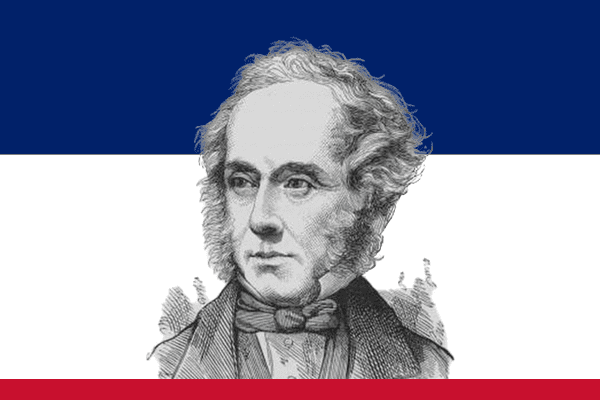
Early Life and Political Career
Henry John Temple was born on 20 October 1784 in London, England. He belonged to an aristocratic family and received his education at Harrow School and the University of Edinburgh. His background and education prepared him for a life in politics.
In 1807, he entered the British Parliament as a Member of Parliament. Early in his career, he joined the Tory Party and worked in several government positions. His colleagues quickly recognized his energy and determination.
He later became famous for his work in foreign affairs. In 1830, he took the position of Foreign Secretary. In this role, he actively promoted British interests abroad. He supported liberal movements in Europe and defended British citizens and trade across the world. His strong diplomatic actions made him one of the most powerful voices in British foreign policy.
Leadership as Prime Minister
Henry John Temple first became Prime Minister in 1855. Britain faced many international challenges during this time, especially during the Crimean War. Palmerston took charge with confidence and determination. He encouraged strong military action and worked to protect Britain’s global influence.
His leadership style showed firmness and independence. He made decisions quickly and communicated clearly with both Parliament and the public. Many citizens admired his patriotic attitude and his willingness to defend Britain’s honor.
In 1858, he briefly left office due to political disagreements. However, his popularity remained strong. In 1859, he returned to power and began his second term as Prime Minister. During this period, he focused on maintaining stability in Europe and strengthening Britain’s diplomatic relationships.
Domestic Policies and Achievements
Although Palmerston focused heavily on foreign policy, he also addressed domestic issues. He supported moderate political reforms and encouraged improvements in administration and governance. His government worked to maintain law and order while also responding to public demands for reform.
He promoted economic growth and stability during his administration. Britain continued to expand its trade and industrial strength under his leadership. Palmerston also supported national defense and encouraged improvements in the military.
His balanced approach helped Britain remain stable during a period of political change and social development.
Legacy and Historical Importance
Henry John Temple remained Prime Minister until his death in 1865. His long career and strong leadership left a lasting impact on British politics. Historians remember him as a leader who believed in national strength, diplomacy, and patriotism.
His foreign policy approach became known as “gunboat diplomacy,” which emphasized protecting British interests through power and influence. While some critics questioned his aggressive style, many people admired his determination and confidence.
Today, historians view Palmerston as one of the most important Victorian-era political leaders. His leadership strengthened Britain’s global position and shaped its diplomatic strategies during the nineteenth century.
Conclusion
Henry John Temple, Lord Palmerston, played a significant role in British political history. His long experience, strong leadership, and commitment to national interests helped guide Britain during an important period of change. Through his policies and actions, he left a legacy that continues to influence the study of British politics and diplomacy.