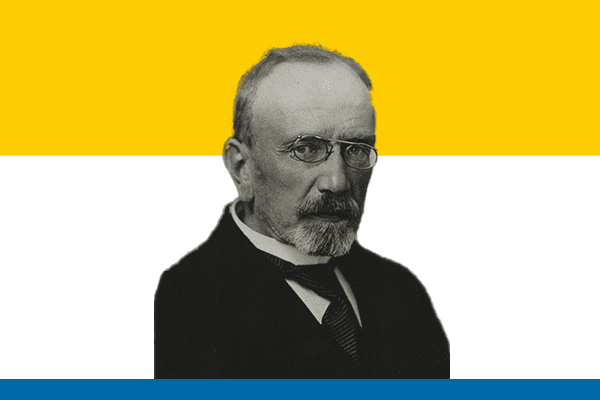
Early Life and Education
Hjalmar Hammarskjöld was born on February 4, 1862, in Tuna, Sweden. He grew up in a well-educated and influential family, which shaped his intellectual development. He pursued higher education at Uppsala University, where he studied law and built a strong academic foundation.
He quickly gained recognition for his intelligence and dedication. His legal expertise helped him secure important positions within the Swedish government. Instead of remaining limited to academic work, he actively entered public service and began influencing national policies.
Political Career
Hammarskjöld built his career through various administrative and diplomatic roles. He served as a legal expert and held positions that required deep understanding of international law. His experience prepared him for leadership during complex political times.
In 1914, he became Prime Minister of Sweden. He took office at the outbreak of World War I, a period that demanded careful and strategic decision-making. Rather than adopting a passive stance, he actively defended Sweden’s neutrality and worked to protect national interests.
Leadership During World War I
As Prime Minister, Hammarskjöld faced immense pressure from both domestic and international forces. He managed economic difficulties, including food shortages and trade disruptions caused by the war. He implemented strict policies to control resources and maintain stability.
He firmly upheld Sweden’s neutral position despite external pressures from warring nations. His leadership style often appeared rigid, but he believed strong control would prevent chaos. Instead of compromising easily, he stood by his principles and made decisive choices.
However, his strict policies and handling of food shortages led to public dissatisfaction. Many citizens criticized his government for failing to address economic hardships effectively. Despite this, he continued to act decisively in what he believed was the nation’s best interest.
Challenges and Resignation
Hammarskjöld’s tenure as Prime Minister faced growing opposition. Political tensions increased as different groups demanded reforms and better living conditions. His leadership style, which emphasized authority and control, often clashed with the expectations of a changing society.
In 1917, mounting criticism and political pressure forced him to resign. His departure marked a shift in Swedish politics toward more democratic and inclusive governance. Although his time in office ended under criticism, his actions during the war remained significant.
Personal Life and Legacy
Hjalmar Hammarskjöld came from a distinguished family. He was the father of Dag Hammarskjöld, who later became a globally respected diplomat and Secretary-General of the United Nations.
Hammarskjöld’s legacy remains complex. Supporters view him as a strong leader who protected Sweden during a difficult time. Critics argue that his rigid policies worsened domestic challenges. Nevertheless, he played an essential role in maintaining Sweden’s neutrality during World War I.
Conclusion
Hjalmar Hammarskjöld left a lasting impact on Swedish history through his leadership during World War I. He actively guided Sweden through economic and political challenges while preserving its neutrality. Although his tenure faced criticism, his contributions remain an important part of the country’s political development.