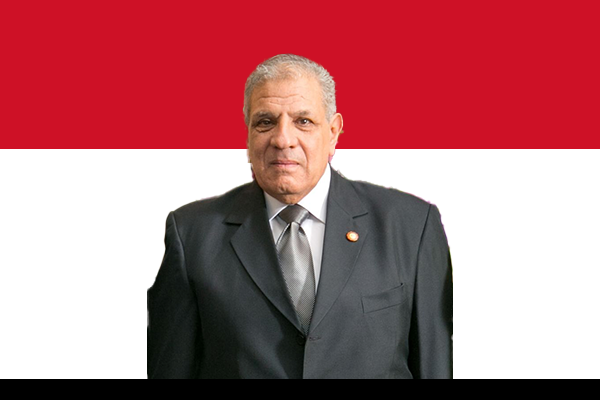
Early Life and Education
Ibrahim Mahlab was born on April 12, 1949, in Cairo, Egypt. He grew up in a family that valued education and discipline. Mahlab pursued engineering and graduated from Cairo University’s Faculty of Engineering. He specialized in civil engineering, a field that shaped much of his professional career before entering politics.
Professional Career Before Politics
Mahlab built his career in the engineering and construction sector. He worked at the Arab Contractors Company, one of Egypt’s largest construction firms. He demonstrated strong management and technical skills, which helped him rise through the ranks. Eventually, he became the chairman of the company. Under his leadership, the firm contributed to major infrastructure projects in Egypt and abroad. His success in the private sector established his reputation as a capable leader and administrator.
Entry into Politics
The Egyptian government recognized Mahlab’s expertise in management and engineering. Leaders appointed him as a member of the Shura Council, where he shared his views on infrastructure and development. His work in both public and private sectors highlighted his ability to bridge technical knowledge with governance. After the 2011 revolution, Egypt needed leaders who could rebuild trust and stability. Mahlab emerged as one of those figures.
Appointment as Minister of Housing
In 2013, Ibrahim Mahlab became Egypt’s Minister of Housing, Utilities, and Urban Development. He took on the challenge of addressing Egypt’s housing crisis. Mahlab focused on affordable housing projects and sought to modernize utilities. He pushed forward initiatives to provide better living conditions for low- and middle-income families. His success in this role prepared him for higher responsibilities.
Prime Minister of Egypt
On March 1, 2014, President Adly Mansour appointed Ibrahim Mahlab as Prime Minister of Egypt. Mahlab formed a cabinet that aimed to restore order and stability after years of political turmoil. He prioritized national security, economic growth, and the provision of basic services. His government emphasized large-scale development projects and rebuilding confidence in state institutions.
Mahlab’s administration launched efforts to attract foreign investment and revive Egypt’s economy. He also oversaw projects that modernized infrastructure, improved transportation, and expanded housing. His leadership style reflected discipline, practical decision-making, and a strong focus on results.
Challenges During His Tenure
Mahlab faced numerous challenges as Prime Minister. Egypt struggled with security threats, political divisions, and an unstable economy. His government had to restore citizens’ trust in state institutions while balancing demands for political reforms. He responded by focusing on development and service delivery. Although critics argued that reforms moved slowly, Mahlab kept national stability at the forefront of his agenda.
Resignation and Legacy
In September 2015, Ibrahim Mahlab submitted his resignation to President Abdel Fattah el-Sisi. His departure marked the end of a transitional phase in Egypt’s politics. Despite stepping down, Mahlab left behind a legacy of discipline, development-focused leadership, and service to the nation. Many Egyptians remembered him as a leader who worked tirelessly to stabilize the country during difficult times.
Conclusion
Ibrahim Mahlab played a crucial role in guiding Egypt through a transitional period. His background in engineering, leadership in construction, and experience as a minister prepared him for the role of Prime Minister. Though his tenure lasted only a short period, he left a mark as a pragmatic leader who focused on stability and development. His journey from engineer to national leader reflects the importance of expertise and determination in governance.