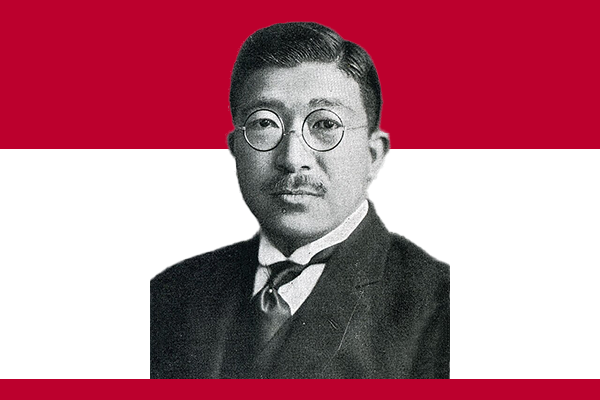
Early Life and Education
Ichirō Hatoyama was born on January 1, 1883, in Tokyo, Japan. He grew up in an educated family that valued learning and public service. Hatoyama studied law at Tokyo Imperial University, where he developed a keen interest in politics and governance. After graduating, he taught at Waseda University and inspired many students with his ideas about democracy and civil rights. His passion for Japan’s modernization pushed him to enter politics at an early stage.
Entry into Politics
Hatoyama entered politics in 1915 when he won a seat in the House of Representatives. He joined the Rikken Seiyūkai Party and quickly gained attention for his oratory skills and reformist ideas. Hatoyama worked to expand democratic rights and fought against authoritarian tendencies in government. By the 1920s, he emerged as a prominent political figure who supported parliamentary democracy and social reforms.
Founding the Liberal Party
After World War II, Japan’s political landscape changed dramatically. Hatoyama founded the Liberal Party in 1945 to promote democratic governance and economic recovery. He aimed to lead Japan toward modernization while preserving its cultural identity. However, the Allied Occupation authorities temporarily banned him from politics in 1946 because they associated many pre-war politicians with militarism. Despite this setback, Hatoyama continued shaping political thought through his writings and party organization.
Becoming Prime Minister
In 1954, Ichirō Hatoyama finally became Japan’s Prime Minister after the ban on his political activities was lifted. He took office during a challenging time when Japan was rebuilding its economy and redefining its role in the international community. Hatoyama led the government with determination and introduced policies that encouraged industrial growth, political stability, and diplomatic independence.
Domestic Policies and Economic Growth
Hatoyama focused on strengthening Japan’s economy and improving living standards. He promoted infrastructure development, encouraged private enterprise, and supported educational reforms. His administration expanded access to education and technology, laying the foundation for Japan’s rapid post-war growth. Hatoyama believed that economic strength would enable Japan to regain its dignity and global standing.
Foreign Policy Achievements
In foreign affairs, Hatoyama worked to restore Japan’s sovereignty and international reputation. He successfully negotiated the end of the Allied Occupation and restored diplomatic relations with the Soviet Union in 1956. This achievement allowed Japan to join the United Nations the same year. Hatoyama emphasized peaceful diplomacy and aimed to keep Japan neutral during the Cold War while maintaining close ties with Western nations.
Legacy and Later Life
Ichirō Hatoyama retired from politics in 1956 after achieving his major goals. He left behind a legacy of democratic reforms, economic progress, and diplomatic independence. Many historians credit him with laying the groundwork for Japan’s transformation into a modern, prosperous nation. Hatoyama passed away on March 7, 1959, but his vision continued shaping Japan’s political and economic future.
Conclusion
Ichirō Hatoyama played a central role in Japan’s post-war recovery. He strengthened democratic institutions, promoted economic growth, and restored Japan’s position in the international community. His leadership marked a turning point in Japanese history, making him one of the most influential prime ministers of the 20th century.