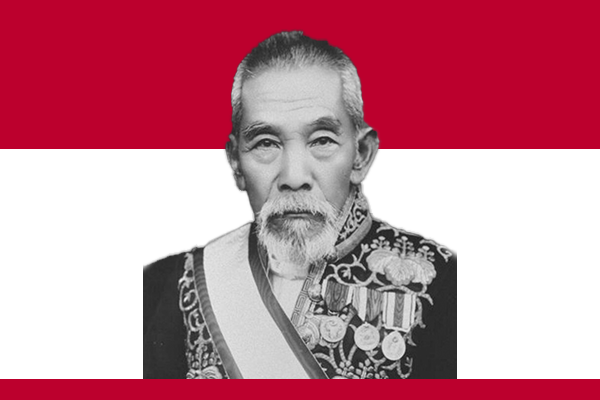
Early Life and Education
Inukai Tsuyoshi was born on June 4, 1855, in Okayama Prefecture, Japan. He grew up in a period when Japan was rapidly modernizing after the Meiji Restoration. His parents encouraged him to pursue education, and he studied Western learning and politics. Inspired by the democratic ideas emerging in Japan, Inukai developed a strong interest in politics and journalism. He became a journalist and used newspapers to spread reformist ideas, gaining a reputation as a courageous voice for democracy and modernization.
Political Career Begins
Inukai entered politics in the 1890s when Japan was transitioning into a constitutional monarchy. He actively supported democratic movements and opposed authoritarian rule. He co-founded the Rikken Kokumintō (Constitutional National Party) and voiced strong criticism against the ruling oligarchy. His leadership skills and powerful speeches helped him gain public support.
Inukai served in the House of Representatives and promoted civil liberties, parliamentary democracy, and economic reforms. He believed Japan needed a government accountable to the people rather than to military or oligarchic interests. His ideas inspired many young politicians and intellectuals who sought a modern, democratic Japan.
Leadership and Prime Ministership
In 1931, Japan faced political instability, economic depression, and rising military influence. The people needed a leader who could restore stability and balance civilian authority with military ambitions. Inukai Tsuyoshi became Prime Minister in December 1931, promising to strengthen parliamentary government and revive the economy.
He immediately introduced policies to stimulate economic growth and improve people’s lives. He supported small businesses, protected farmers from economic hardships, and encouraged industrial development. He also tried to maintain peace with foreign nations despite increasing pressure from the military for expansionist policies.
Foreign Policy and Challenges
Inukai adopted a cautious approach toward foreign affairs. When Japan invaded Manchuria in 1931, international criticism followed. Inukai wanted to resolve conflicts diplomatically, but military leaders demanded aggressive expansion in Asia. He opposed reckless military actions because he feared they would isolate Japan internationally and damage its economy.
Inukai also sought better relations with Western powers. He believed diplomacy could secure Japan’s interests without unnecessary wars. However, his moderate stance angered radical military groups who wanted complete control over national policy.
The May 15 Incident and Assassination
On May 15, 1932, young naval officers and army cadets plotted to overthrow the civilian government. They believed military rule would make Japan stronger. The conspirators assassinated Prime Minister Inukai Tsuyoshi at his residence in Tokyo, ending his life and his efforts to protect parliamentary democracy.
The May 15 Incident shocked Japan and marked the rise of military dominance in politics. After Inukai’s death, civilian governments lost power, and Japan moved toward militarism, leading eventually to World War II.
Legacy and Contributions
Historians remember Inukai Tsuyoshi as a defender of democratic principles during a time of growing militarism. He tried to protect civilian authority, promote economic reforms, and maintain peaceful foreign relations. Although assassins ended his life, his leadership symbolized resistance against authoritarianism.
Today, scholars honor Inukai for his courage, vision, and dedication to democracy. His assassination remains a turning point in Japanese history, illustrating how fragile democracy can be when faced with militarism and extremism.