Mr. Iveta Radicova
In Office: 8 July 2010 – 4 April 2012
Political Party: Slovak Democratic
Home State: Bratislava
Lifespan: born 1956
Country: Slovakia
Image credits available here.
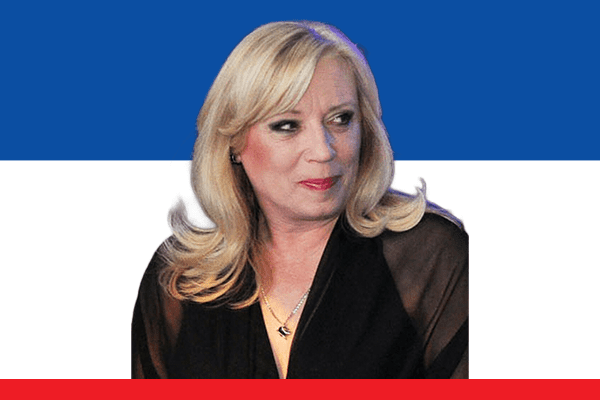
Early Life and Education
Iveta Radičová was born on December 7, 1956, in Bratislava, the capital city of Slovakia. From a young age, she showed a strong interest in education and social issues. She pursued higher education at Comenius University in Bratislava, where she studied sociology. Her academic achievements earned her recognition among scholars and researchers.
After completing her studies, she continued her work in the field of sociology. She conducted research on social policies, poverty, family welfare, and labor issues. Her academic background provided her with valuable knowledge that later helped her address social and economic challenges in politics.
Academic and Professional Career
Before entering politics, Radičová built a successful academic career. She worked as a university professor and researcher, contributing to the development of social sciences in Slovakia. Her studies focused on improving the quality of life for citizens and addressing social inequalities.
Her expertise in sociology made her a respected voice on public policy issues. She participated in various research projects and collaborated with organizations working on social development. Through her academic work, she gained practical insights into the needs and concerns of ordinary people.
Entry into Politics
Radičová entered politics with the goal of improving public welfare and strengthening democratic governance. She became involved with center-right political movements and quickly gained recognition for her knowledge and professionalism.
She served as Minister of Labour, Social Affairs, and Family, where she worked on policies related to employment, pensions, and social protection. Her efforts focused on supporting vulnerable groups and encouraging economic opportunities for citizens.
Her reputation as an honest and capable leader helped her gain public support. She became one of the most prominent female politicians in Slovakia and inspired many women to participate in public life.
Prime Minister of Slovakia
In 2010, Iveta Radičová became the first woman Prime Minister of Slovakia. Her election marked a significant milestone in the country’s political history. During her time in office, she led a coalition government and addressed important national and international issues.
As Prime Minister, she promoted transparency, responsible governance, and cooperation within the European Union. She worked to strengthen Slovakia’s economy while maintaining social responsibility. Her government faced several political and economic challenges, including issues related to the European debt crisis.
Although her term was relatively short, she demonstrated strong leadership and commitment to democratic values. Her administration emphasized accountability and public trust in government institutions.
Contributions and Legacy
One of Radičová’s most important contributions was her advocacy for social justice and equal opportunities. She consistently supported policies aimed at improving living standards and protecting vulnerable populations.
Her historic achievement as Slovakia’s first female Prime Minister opened new opportunities for women in politics. She became a role model for future generations and showed that women can successfully lead at the highest levels of government.
After leaving office, she continued contributing to public discussions on democracy, European cooperation, and social development. Her experience and expertise remain valuable in academic and political circles.
Conclusion
Iveta Radičová is a distinguished scholar, politician, and public servant whose career has left a lasting impact on Slovakia. From her academic achievements to her role as the country’s first female Prime Minister, she demonstrated dedication, integrity, and leadership. Her contributions to social policy, democratic governance, and women’s representation continue to inspire people in Slovakia and beyond. Through her work, she helped shape a more inclusive and progressive society.