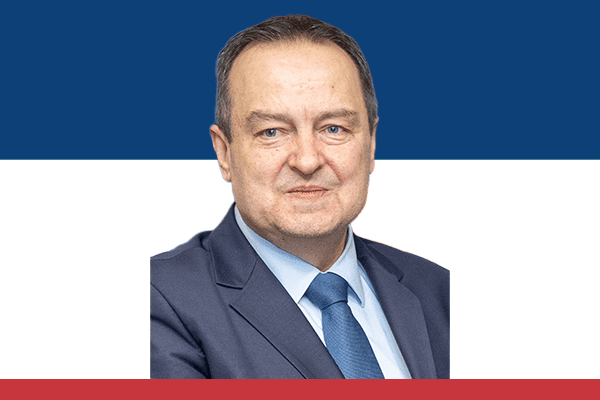
Early Life and Education
Ivica Dačić was born on January 1, 1966, in Prizren, which was then part of Yugoslavia. He spent much of his childhood in Žitorađa, Serbia, where he completed his early education. From a young age, he showed strong interest in politics and public affairs.
He later attended the University of Belgrade and graduated from the Faculty of Political Sciences. During his university years, he developed leadership qualities and built connections that helped him enter national politics. His academic background in political science gave him a solid understanding of governance, diplomacy, and administration.
Entry into Politics
Dačić began his political career in the Socialist Party of Serbia (SPS), a party led by former Serbian President Slobodan Milošević. He quickly rose through the party ranks because of his communication skills and organizational abilities. In the 1990s, he became one of the most recognizable spokespersons of the SPS.
Unlike many politicians who remained behind the scenes, Dačić actively participated in public debates and media discussions. He gained national attention for defending party policies and presenting the party’s views to the public. His confidence and political strategy strengthened his position within the Socialist Party.
Leadership of the Socialist Party
After political changes in Serbia during the early 2000s, the Socialist Party faced major challenges. Many analysts believed the party would lose influence permanently. However, Dačić took leadership of the SPS in 2006 and worked hard to rebuild its public image.
He modernized the party, encouraged cooperation with other political groups, and shifted its focus toward European integration and economic development. Through these reforms, he transformed the SPS into an important political force once again. His leadership helped the party participate in coalition governments and regain national relevance.
Prime Minister of Serbia
In 2012, Ivica Dačić became Prime Minister of Serbia. During his tenure, he focused on improving Serbia’s international relations and advancing negotiations with the European Union. One of his most significant achievements involved dialogue with Kosovo under the mediation of the European Union.
Dačić demonstrated strong diplomatic skills during these negotiations. He worked to reduce tensions and improve regional stability while protecting Serbia’s national interests. His government also focused on economic reforms, anti-corruption efforts, and administrative improvements.
Although political challenges remained, Dačić maintained an active role in decision-making and governance. His practical approach and communication style earned him recognition both within Serbia and internationally.
Minister of Foreign Affairs and Interior
After serving as Prime Minister, Dačić continued to hold important government positions. As Minister of Foreign Affairs, he represented Serbia in international organizations and strengthened diplomatic ties with countries around the world. He actively promoted Serbia’s foreign policy goals and encouraged international cooperation.
Later, he returned to the position of Minister of the Interior, where he focused on public security, crime prevention, and law enforcement reforms. His long political experience allowed him to manage complex responsibilities effectively.
Political Style and Influence
Ivica Dačić is known for his pragmatic political style and strong negotiation abilities. He often balances national interests with international cooperation. Unlike leaders who avoid difficult discussions, Dačić directly addresses political challenges and participates actively in diplomatic dialogue.
His ability to adapt to changing political circumstances has helped him remain influential for many years. Supporters appreciate his experience and leadership, while critics sometimes question his political alliances. Nevertheless, he continues to play an important role in Serbian politics.
Conclusion
Ivica Dačić has built a long and influential political career through determination, adaptability, and active leadership. From his early years in the Socialist Party to his service as Prime Minister and Foreign Minister, he has shaped important aspects of Serbia’s political development. His diplomatic efforts, political reforms, and public service continue to impact Serbia’s position in Europe and the wider world.