Mr. Jacob van Zuylen van Nijevelt
In Office: 14 March 1861 – 10 November 1861
Political Party: Independent Liberal
Home State: Etten-Leur
Lifespan: 1816–1890
Country: Netherland
Image credits available here.
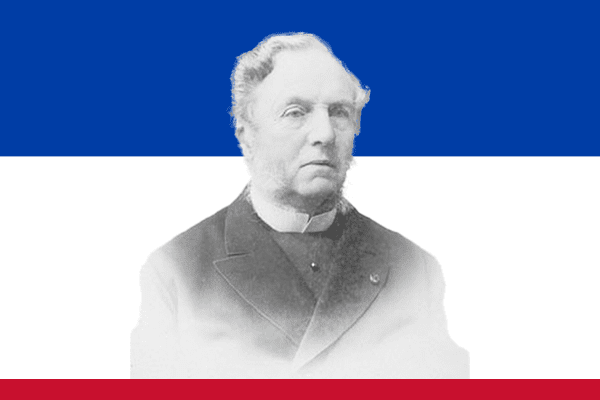
Early Life and Background
Jacob van Zuylen van Nijevelt was born on 18 November 1816 in Rotterdam, Netherlands. He came from a respected Dutch family that had a strong tradition of public service and political involvement. His upbringing encouraged education, discipline, and civic responsibility. These influences later shaped his approach to politics and administration.
He pursued higher education in law and political studies. His academic training prepared him for a career in diplomacy and government service. During his early career, he joined the Dutch diplomatic service and worked in several European locations. These experiences helped him understand international relations and European political dynamics.
Diplomatic and Political Career
Van Zuylen van Nijevelt built his reputation as a skilled diplomat before entering high-level domestic politics. He served in diplomatic missions where he represented Dutch interests abroad and negotiated with foreign governments. His ability to communicate effectively and manage political situations earned him respect within government circles.
In the 1860s, the Netherlands faced significant political discussions about constitutional authority and the role of the monarchy. Political leaders looked for experienced administrators who could navigate these sensitive issues. Van Zuylen van Nijevelt gradually became involved in national politics and gained influence among policymakers.
Term as Prime Minister
Jacob van Zuylen van Nijevelt served as Prime Minister of the Netherlands from 1866 to 1868. During this time, he also held the position of Minister of Foreign Affairs. His government had to manage tensions between liberal political groups and conservative supporters of royal authority.
He attempted to maintain stability within the Dutch political system. His cabinet worked to protect the constitutional framework while addressing parliamentary demands for stronger democratic representation. Political disagreements within parliament, however, created challenges for his administration.
One of the main issues during his premiership involved debates about military organization and national defense policies. Parliamentary opposition criticized certain government proposals, which led to political conflicts. These disagreements eventually weakened the stability of his cabinet.
Political Challenges and Resignation
The Dutch political system in the nineteenth century relied heavily on cooperation between the monarch, cabinet ministers, and parliament. When political conflicts intensified, governments often struggled to maintain support. Van Zuylen van Nijevelt faced exactly this situation.
His cabinet encountered increasing criticism from members of parliament who disagreed with government policies. Political divisions made it difficult for the administration to pass key legislation. As opposition grew stronger, the stability of the government declined.
In 1868, political pressure forced his government to resign. The resignation marked the end of his term as Prime Minister, but his role in Dutch political history remained significant because it demonstrated the growing influence of parliament in shaping government decisions.
Later Life and Legacy
After leaving office, Jacob van Zuylen van Nijevelt continued to contribute to public life through diplomatic and advisory roles. He remained respected for his administrative experience and diplomatic background. His career reflected the transition of the Netherlands toward a more parliamentary political system.
Historians often view his premiership as part of a broader period of constitutional development in the Netherlands. The political conflicts during his administration highlighted the evolving balance between monarchy and parliament. These developments later strengthened democratic governance in the country.
Conclusion
Jacob van Zuylen van Nijevelt served as a key political figure during an important stage in Dutch history. His leadership demonstrated the complexities of governing within a developing constitutional system. Although his time as Prime Minister was brief, his diplomatic experience, political involvement, and role in parliamentary debates contributed to the evolution of Dutch political institutions. His career remains an example of how nineteenth-century European leaders navigated political change while working to maintain national stability.