Mr. James Callaghan
In Office: 5 April 1976 – 4 May 1979
Political Party: Labour
Home State: Broadstairs
Lifespan: 1912–2005
Country: United Kingdom
Image credits available here.
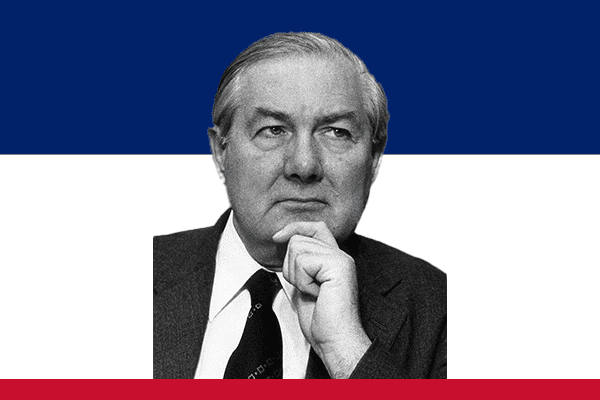
Early Life and Political Rise
James Callaghan was born on 27 March 1912 in Portsmouth, England. His full name was Leonard James Callaghan, and he came from a modest background. He worked as a tax officer before entering politics and later became active in trade union matters. His early experiences helped him understand the struggles of ordinary working people, which shaped his political beliefs.
In 1945, he entered Parliament as the Labour Member of Parliament (MP) for Cardiff South, later Cardiff South-East. He quickly built a reputation as a reliable and intelligent politician. Over the years, he gained experience in several major government roles. He served as Chancellor of the Exchequer from 1964 to 1967, where he dealt with financial difficulties and the devaluation of the pound. Later, he became Home Secretary and then Foreign Secretary, showing his versatility and leadership skills.
Prime Ministership
James Callaghan became Prime Minister in April 1976 after Harold Wilson resigned. He took office at a time when Britain faced high inflation, unemployment, and pressure from trade unions. His leadership style was careful, moderate, and realistic. He tried to balance the demands of workers, businesses, and political allies while keeping the economy stable.
One of Callaghan’s main priorities was improving the economy. His government worked to reduce inflation and restore confidence in Britain’s financial system. He supported spending controls and cooperation with trade unions through a social contract. In the beginning, these efforts achieved some success, and inflation started to fall.
However, his government later faced severe problems. The most famous crisis of his time was the “Winter of Discontent” in 1978–1979. During this period, many public sector workers went on strike because they opposed wage limits. These strikes disrupted transport, health services, rubbish collection, and daily life across the country. The public became frustrated, and Callaghan’s government lost support.
Leadership Challenges and Fall from Power
Callaghan led a minority government for much of his time as Prime Minister, which made governing very difficult. He often depended on support from smaller parties to pass laws in Parliament. In 1978, he decided not to call a general election, even though some believed Labour still had a chance to win. Many historians see this decision as a major political mistake.
In March 1979, Callaghan’s government lost a vote of no confidence by just one vote. This defeat forced a general election. In the election that followed, the Conservative Party under Margaret Thatcher won, ending Labour’s rule. Callaghan then became Leader of the Opposition before stepping down.
Legacy
James Callaghan remains a significant figure in British politics. He showed loyalty, experience, and resilience during one of the hardest periods in post-war Britain. Although his government ended in crisis, many people still admire his honesty, steadiness, and long record of public service. His career stands as a remarkable example of dedication to national leadership and democratic politics.