Mr. Jan de Quay
In Office: 19 May 1959 – 24 July 1963
Political Party: Catholic People’s Party
Home State: Amsterdam
Lifespan: 1901–1985
Country: Netherland
Image credits available here.
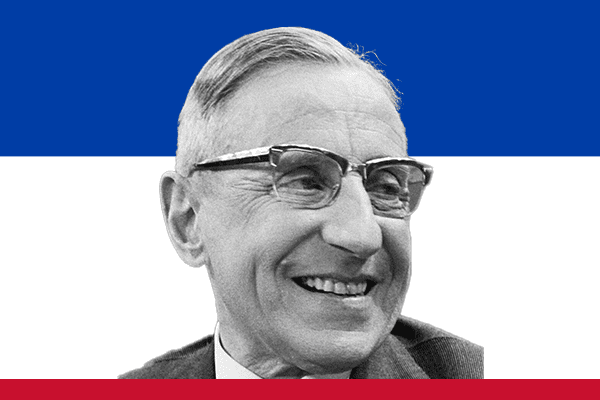
Early Life and Background
Jan Eduard de Quay was born on August 26, 1901, in ‘s-Hertogenbosch, Netherlands. He studied psychology and later became a professor. His academic background helped him develop a thoughtful and analytical approach to leadership. During World War II, he became involved in Dutch public life, which later paved the way for his political career.
Political Career
De Quay actively participated in politics after the war. He joined the Catholic People’s Party and quickly gained recognition for his leadership abilities. In 1959, he became Prime Minister and formed a coalition government. He worked closely with other political leaders to maintain stability in the country.
Leadership and Policies
Jan de Quay focused on strengthening the Dutch economy. He supported industrial growth and encouraged modernization. His government introduced policies that improved infrastructure and increased employment opportunities. As a result, the Netherlands experienced steady economic progress during his tenure.
He also emphasized social welfare. His administration expanded healthcare services and improved education systems. He believed that a strong society required both economic success and social security. Therefore, he balanced financial growth with public welfare initiatives.
Role in International Affairs
De Quay promoted international cooperation and maintained strong relations with other countries. He supported European integration and worked with international organizations. His leadership helped the Netherlands strengthen its position in global politics during the Cold War era.
Challenges and Achievements
Although Jan de Quay led a stable government, he faced challenges such as political disagreements within the coalition. However, he managed these issues effectively and maintained unity. His ability to handle conflicts demonstrated his leadership strength.
One of his major achievements was maintaining economic stability while improving social conditions. His policies laid the foundation for future growth in the Netherlands. He also ensured that the country remained politically stable during a time of global uncertainty.
Legacy
Jan de Quay left a lasting impact on Dutch politics. He demonstrated how balanced leadership could promote both economic and social development. His tenure reflected stability, cooperation, and progress. Many historians consider him an important figure in the Netherlands’ post-war recovery.
Conclusion
Jan de Quay served his country with dedication and vision. He strengthened the economy, improved social welfare, and maintained political stability. His leadership continues to influence Dutch governance. Through his work, he helped shape a modern and progressive Netherlands.