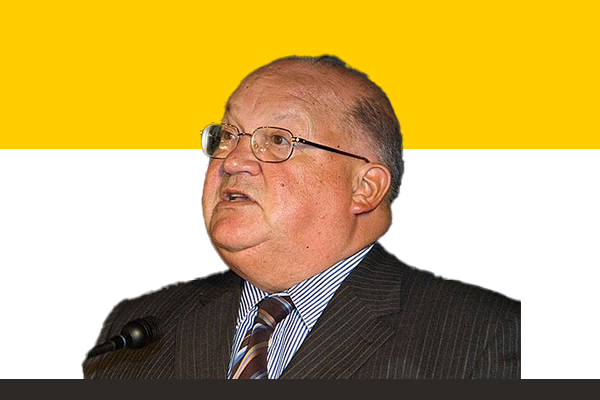
Mr. Jean-Luc Dehaene
In Office: 7 March 1992 – 12 July 1999
Political Party: Christian Democratic and Flemish
Home State: Montpellier
Lifespan: 1940–2014
Country: Belgium
Image credits available here.
Early Political Journey
Dehaene began his political career with a deep understanding of Belgium’s institutional challenges. He studied law and political science, and he entered public service with a strong interest in state organization and socioeconomic policy. As he advanced through ministerial positions, he built a reputation for calm negotiation and thorough policy analysis. His colleagues saw him as a problem-solver who approached every issue with methodical precision.
Leading Belgium Toward Federalism
When Dehaene became prime minister, he immediately took on the task of redefining Belgium’s political structure. He championed constitutional reforms that shifted power from the national government to regional authorities. Instead of letting institutional tensions grow, he pursued dialogue among linguistic communities and urged them to commit to long-term cooperation. His leadership played a central role in transforming Belgium into a modern federal state.
Steering the Economy Through Difficult Times
Belgium faced economic pressures during the early 1990s, and Dehaene responded with decisive action. He supported fiscal discipline, reduced public deficits, and prepared Belgium to meet the requirements for joining the Eurozone. He encouraged structural reforms, strengthened public finances, and worked closely with European partners to secure Belgium’s role in the emerging European Monetary Union. His policies helped stabilize the economy and restore investor confidence.
Mastering Coalition Politics
Belgium’s political landscape is notoriously complex, with multiple parties representing different linguistic and ideological groups. Dehaene approached coalition building with patience and strategic clarity. He ensured that negotiations moved forward by establishing trust among party leaders and by presenting realistic compromises. His calm demeanor helped resolve political disagreements before they escalated, and he consistently kept his government functioning smoothly.
Responding to Social Challenges
During his tenure, Dehaene confronted several significant social issues. He supported social welfare reforms that aimed to protect Belgium’s most vulnerable groups while keeping public finances sustainable. He also promoted policies that encouraged employment, innovation, and economic modernization. Instead of relying on short-term solutions, he favored long-term planning that aligned with Belgium’s evolving demographic and economic realities.
Handling European Affairs with Confidence
Dehaene extended his leadership beyond Belgium’s borders. He actively participated in European Union discussions and represented Belgian interests with clarity and firmness. His expertise in institutional reform earned the respect of numerous European leaders. They admired his ability to simplify complex issues and propose workable solutions. His contributions strengthened Belgium’s position within the EU and reinforced his reputation as one of Europe’s most capable political negotiators.
Crisis Management and National Unity
Belgium occasionally faced tense political moments during Dehaene’s premiership. He used his negotiation skills to defuse crises and maintain national cohesion. He stressed cooperation among linguistic communities and encouraged them to prioritize unity. By focusing on dialogue and compromise, he prevented instability and ensured that the government could continue its work.
Legacy of a “King of Compromise”
Jean-Luc Dehaene left a legacy defined by stability, reform, and pragmatic leadership. Belgians remember him as the “King of Compromise,” a leader who valued results more than rhetoric. His reforms shaped modern Belgian federalism, and his economic policies strengthened the nation’s position in Europe. He demonstrated that careful planning, patience, and quiet determination can achieve transformative change.