Early Life and Education
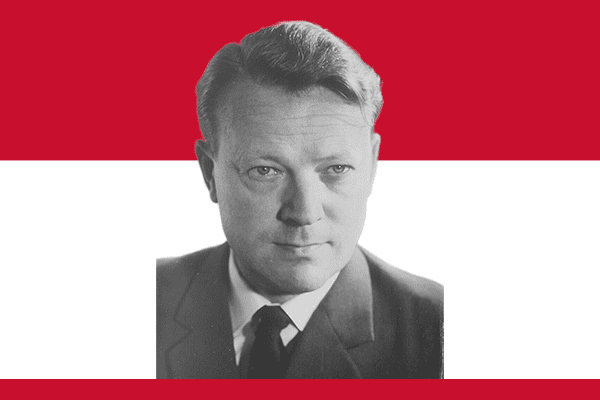
Jens Otto Krag was born on September 15, 1914, in Randers, Denmark. He grew up in a middle-class family and showed a strong interest in academics from a young age. He studied economics at the University of Copenhagen, where he developed a deep understanding of politics, trade, and economic systems.
During his university years, Krag became active in political discussions and joined the Social Democratic Party. His education and political awareness prepared him for a successful career in public service.
Entry into Politics
Krag entered politics during a challenging period in European history. After World War II, Denmark faced economic and social changes that required strong leadership. Jens Otto Krag quickly gained recognition for his analytical thinking and practical solutions.
He served in various government positions before becoming Minister of Commerce and later Minister of Foreign Affairs. In these roles, he promoted economic cooperation and improved Denmark’s trade relations with other nations. His ability to negotiate and communicate effectively made him one of Denmark’s leading political figures.
Prime Minister of Denmark
In 1962, Jens Otto Krag became the Prime Minister of Denmark. During his leadership, he focused on economic modernization, industrial development, and social welfare improvements. He introduced policies that supported education, healthcare, and workers’ rights.
Krag believed that Denmark should actively participate in international cooperation. One of his greatest achievements was guiding Denmark toward membership in the European Economic Community (EEC), which later became the European Union. He strongly argued that Denmark would benefit economically and politically by joining European partnerships.
In 1972, Danish citizens voted in favor of joining the EEC. After achieving this important goal, Krag resigned as Prime Minister, stating that he had completed his major political mission.
Leadership Style and Political Vision
Jens Otto Krag led with intelligence, discipline, and determination. He carefully studied political and economic issues before making decisions. Instead of using emotional speeches, he preferred logical arguments and detailed planning.
He supported the welfare state and believed the government should improve the quality of life for ordinary citizens. Under his leadership, Denmark strengthened its healthcare system, education sector, and labor protections.
Krag also valued diplomacy and international cooperation. He maintained strong relationships with European leaders and worked to increase Denmark’s influence in global affairs.
Personal Life
Jens Otto Krag married actress Helle Virkner, and the couple became one of Denmark’s most recognized public families. Despite his busy political career, Krag remained interested in literature, culture, and intellectual discussions.
Although he achieved political success, he also faced personal and political pressures throughout his life. Nevertheless, he remained committed to serving Denmark and protecting democratic values.
Legacy and Historical Importance
Jens Otto Krag left a lasting impact on Danish politics and society. His efforts to modernize the economy and expand social welfare improved the lives of many Danish citizens. Most importantly, his leadership during Denmark’s entry into the European Economic Community changed the nation’s future and strengthened its international role.
Historians remember Krag as a visionary leader who balanced national interests with international cooperation. His policies and reforms continue to influence Danish politics today.
Conclusion
Jens Otto Krag was one of Denmark’s most important political leaders of the twentieth century. Through active leadership, economic reforms, and international diplomacy, he helped shape modern Denmark. His dedication to progress, democracy, and European cooperation ensured his place in Danish history.