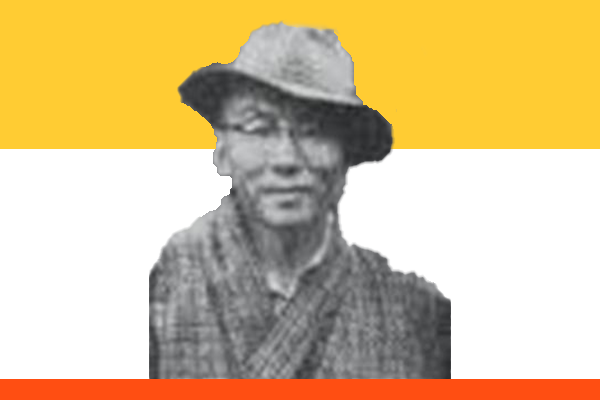
Mr. Jigme Palden Dorji
Political Party: Independent
In Office: 1952 – 6 April 1964
Home State: Darjeeling
Lifespan: 1919–1964
Country: Bhutan
Early Life and Background
Jigme Palden Dorji was born in 1919 into the powerful Dorji family of Bhutan, a prominent political and aristocratic lineage with deep ties to the monarchy. His family held influential positions in the Bhutanese government for generations. He received his early education in India and later studied at British institutions, where he gained exposure to modern administrative and political systems. This international experience gave him the skills and knowledge that made him a valuable asset to the Bhutanese monarchy during a critical period of change.
Entry into Public Service and Rise to Power
In the 1950s, Jigme Palden Dorji began his service in Bhutan’s government and quickly became a close advisor to King Jigme Dorji Wangchuck, the third king of Bhutan. Determined to modernize and reform the country’s governance, the king relied on Dorji as a capable and reform-minded ally. In 1958, the king appointed Dorji as Bhutan’s first official Prime Minister (Lyonchen). This appointment marked a major step toward institutionalizing governance and moving away from traditional feudal structures.
Vision for Reform and Modernization
As Prime Minister, Dorji launched a wide array of reforms aimed at modernizing Bhutan’s political, administrative, and social systems. He worked closely with the king to centralize authority under the monarchy and to reduce the influence of regional power holders and monastic institutions. Dorji developed a modern civil service and strongly promoted the expansion of infrastructure, including roads, schools, and hospitals. These initiatives unified the country and laid the foundation for Bhutan’s future development.
Resistance and Political Tensions
Despite his significant contributions, Dorji faced resistance from entrenched conservative forces, including the military, the nobility, and religious institutions. His efforts to tackle corruption, eliminate traditional privileges, and streamline governance challenged longstanding power structures. As opposition intensified, many traditional elites viewed him as a threat to their influence and way of life. Dorji continued to push forward with his reforms, even as internal tensions escalated.
Assassination and Political Crisis
On April 5, 1964, assassins killed Jigme Palden Dorji in Thimphu in a shocking act of political violence. Many believe that his opponents, including elements within the military and traditional elites, conspired to orchestrate his assassination. His death triggered a temporary political crisis and disrupted Bhutan’s reform momentum. The event remains one of the rare instances of political instability in the country’s otherwise peaceful history.
Legacy and National Impact
Bhutan remembers Jigme Palden Dorji as a pioneering and courageous reformer who helped transform the country from a secluded kingdom into a modernizing nation. His partnership with King Jigme Dorji Wangchuck laid the institutional foundations for Bhutan’s later development. Although his life ended prematurely, his legacy continues through Bhutan’s ongoing emphasis on good governance, development, and national unity.