Early Life and Education
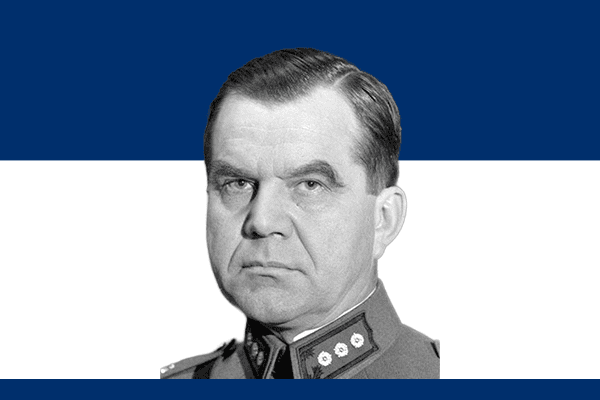
Johan Wilhelm Rangell was born on October 12, 1894, in Helsinki, Finland. He grew up during a period when Finland was still part of the Russian Empire. From an early age, he showed interest in economics, administration, and public affairs. He pursued higher education at the University of Helsinki, where he studied law and economics.
After completing his education, Rangell entered the banking and financial sector. His professional abilities quickly earned respect among political and business leaders. He became known for his practical thinking, careful planning, and strong organizational skills.
Career in Banking and Sports Administration
Before entering high political office, Rangell worked extensively in banking and finance. He served in leadership positions within the Bank of Finland and other financial organizations. His experience helped him understand economic policy and national financial management.
Rangell also became active in sports administration. He strongly supported the Olympic movement and Finnish athletics. He served as chairman of the Finnish Olympic Committee and contributed to the development of sports organizations in Finland. Through these efforts, he promoted national pride and international cooperation.
Political Career
Rangell entered politics as a member of the National Progressive Party. His expertise in finance and administration made him an important figure in government affairs. Finnish leaders valued his ability to handle economic matters during uncertain times.
In January 1941, Rangell became the Prime Minister of Finland. His term began during World War II when Finland faced enormous pressure from both the Soviet Union and Nazi Germany. The country had already experienced the Winter War against the Soviet Union, and tensions in Europe continued to rise.
Leadership During World War II
As Prime Minister, Johan Wilhelm Rangell worked to protect Finland’s independence and security. Finland cooperated with Germany during the Continuation War against the Soviet Union, but Finnish leaders aimed to preserve national sovereignty rather than become fully dependent on German policies.
Rangell managed government operations during wartime and focused on maintaining economic stability. He supported efforts to strengthen Finland’s defense and secure essential resources for the population. His government handled food shortages, wartime production, and diplomatic relations under extremely difficult conditions.
Despite the hardships of war, Rangell attempted to maintain Finland’s democratic system and constitutional order. His leadership reflected caution and realism as he balanced military needs with civilian welfare.
Later Life and Challenges
Rangell resigned as Prime Minister in 1943. After the war, Finland faced political changes and legal investigations related to wartime decisions. Finnish authorities prosecuted several wartime leaders, including Rangell, for their political actions during the conflict. He received a prison sentence as part of the war-responsibility trials.
After serving his sentence, Rangell returned to private life and remained less active in politics. Although controversy surrounded parts of his career, many historians recognize the difficult circumstances under which he governed Finland.
Legacy
Johan Wilhelm Rangell left a significant mark on Finnish political and economic history. He guided Finland during one of the most dangerous periods in the nation’s existence. His experience in banking and administration helped the country manage wartime pressures and economic challenges.
People also remember him for his contributions to Finnish sports and the Olympic movement. His work demonstrated leadership beyond politics and reflected his dedication to national development.
Conclusion
Johan Wilhelm Rangell served Finland during a period of crisis and uncertainty. Through active leadership, financial expertise, and careful administration, he contributed to the survival and stability of the Finnish state during World War II. Although history continues to debate aspects of his wartime decisions, his role in Finnish public life remains important and historically significant.