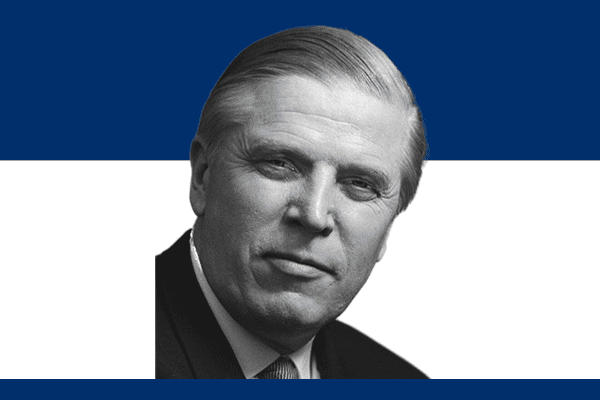
Early Life and Education
Johannes Virolainen was born on January 31, 1914, in Virolahti, Finland. He grew up in a farming family, which deeply influenced his political ideas and values. His rural background helped him understand the struggles faced by farmers and small communities. Instead of ignoring these issues, he focused his political career on improving rural living conditions.
He studied political science and economics at the University of Helsinki. During his student years, he developed a strong interest in public service and national politics. His education prepared him to address Finland’s social and economic challenges with practical solutions.
Entry into Politics
Virolainen joined the Agrarian League, later known as the Centre Party of Finland. He quickly gained recognition for his leadership skills and ability to connect with ordinary citizens. Rather than remaining a local political figure, he expanded his influence across the country.
In 1945, he entered the Finnish Parliament, where he began advocating for agricultural reforms, better education, and regional development. He worked actively to reduce inequality between urban and rural areas. His dedication earned him respect among both political allies and opponents.
Prime Minister of Finland
Johannes Virolainen served as Prime Minister of Finland from 1964 to 1966. During his leadership, he focused on economic growth, modernization, and social stability. Finland experienced important changes during this period, and Virolainen guided the country through political and economic transitions.
He encouraged cooperation among political parties and promoted policies that strengthened Finland’s economy. Instead of creating division, he supported compromise and democratic dialogue. His government also improved infrastructure and public services in rural regions, helping communities grow and prosper.
Contributions to Finnish Society
Virolainen played a significant role in Finland’s agricultural development. He introduced reforms that improved farming productivity and supported rural families. He believed that strong rural communities formed the foundation of a stable nation.
Education also became one of his priorities. He supported policies that expanded educational opportunities for young people across Finland. Through these efforts, he helped create a more equal society where citizens could access better opportunities regardless of their background.
In addition, he contributed to Finland’s foreign relations during the Cold War era. He supported neutrality and peaceful diplomacy, helping Finland maintain balanced international relationships.
Leadership Style and Personality
Johannes Virolainen became known for his calm personality, practical thinking, and strong work ethic. He preferred cooperation over confrontation and often acted as a mediator during political disagreements. His leadership style reflected patience and responsibility.
Unlike many politicians who focused only on urban interests, Virolainen remained closely connected to rural communities throughout his career. People admired his ability to understand ordinary citizens and address their concerns directly.
Later Years and Legacy
After serving as Prime Minister, Virolainen continued contributing to Finnish politics in various leadership roles. He remained active in public life for many decades and influenced future generations of political leaders.
His contributions to agriculture, education, and regional equality left a lasting impact on Finland. Many historians consider him one of the key political figures who helped modernize the country during the post-war period.
Johannes Virolainen passed away on December 11, 2000, but his legacy continues to inspire Finnish politics and society. His dedication to public service and national unity remains widely respected.
Conclusion
Johannes Virolainen devoted his life to strengthening Finland through democratic leadership, rural development, and social progress. He actively worked to improve the lives of ordinary citizens and promoted cooperation during times of change. His achievements continue to hold an important place in Finnish history.