Mr. John Russell
In Office: 29 October 1865 – 26 June 1866
30 June 1846 – 21 February 1852
Political Party: Conservative
Home State: Mayfair
Lifespan: 1792–1878
Country: United Kingdom
Image credits available here.
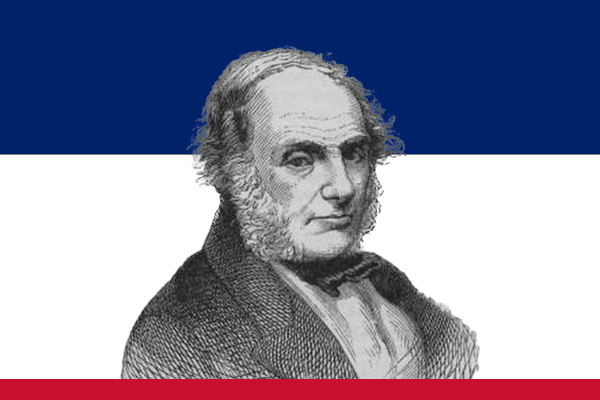
Early Life and Background
John Russell was born on August 18, 1792, in London, England. He belonged to the influential Russell family, one of the leading aristocratic families in Britain. His father was the 6th Duke of Bedford, which gave him a privileged upbringing and access to political life from an early age. He received his education at Westminster School and later at the University of Edinburgh. Although he came from an aristocratic background, Russell developed progressive political ideas and became a strong supporter of reform.
Political Career
John Russell entered Parliament in 1813. From the beginning of his political career, he supported change in the British political system. At that time, the electoral system was unfair, and only a small section of society had political power. Russell became one of the strongest voices for parliamentary reform. He believed that the House of Commons should better represent the people.
His greatest early achievement came with the Reform Act of 1832. Russell played a leading role in introducing and defending this historic legislation. The act expanded voting rights and removed many corrupt parliamentary boroughs. Although it did not create full democracy, it marked a major step toward a more representative government. Because of this role, many people remembered him as one of the architects of British reform.
First Term as Prime Minister
John Russell became Prime Minister in 1846 after the repeal of the Corn Laws and political divisions within the Conservative Party. He led a Whig government during a difficult period. His first term lasted until 1852. During these years, he faced major challenges, including the Irish Potato Famine, social unrest, and demands for further reform.
Russell’s government supported measures to promote free trade and improve administration. However, his response to the Irish Famine received criticism. Many historians argue that the government did not do enough to prevent suffering and starvation in Ireland. Even so, Russell continued to support economic liberalism and constitutional reform.
Second Term as Prime Minister
Russell served as Prime Minister again from 1865 to 1866. By this time, British politics had changed, and the demand for electoral reform had grown stronger. During his second term, Russell and his government attempted to pass another reform bill to expand the right to vote. However, the proposal divided Parliament and failed to pass. This failure weakened his government and led to his resignation in 1866.
Although he did not achieve reform during his second term, his efforts helped prepare the way for the later Reform Act of 1867, which expanded the electorate further.
Legacy and Importance
John Russell left a lasting mark on British political history. He was not only a Prime Minister but also a major reformer who helped transform the British political system. His support for the Reform Act of 1832 made him a key figure in the struggle for representative government. He also advocated religious freedom, civil rights, and liberal principles throughout his career.
Russell later received the title Earl Russell in 1861. He remained active in public life and continued to influence British politics even after leaving office. He died on May 28, 1878.
Conclusion
John Russell stands out as one of the great reforming Prime Ministers of Britain. His career reflected the growing demand for democracy and political fairness in the 19th century. Through his commitment to parliamentary reform and liberal values, he helped move Britain toward a more modern and representative political system. His legacy remains important in the history of British democracy.