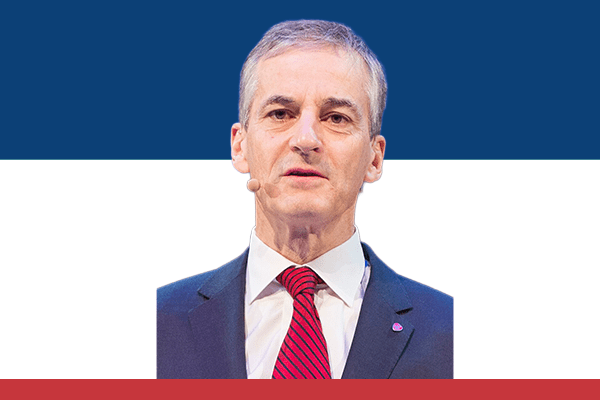
Early Life and Education
Jonas Gahr Støre was born on August 25, 1960, in Oslo, Norway. He grew up in a well-educated family that valued learning and public service. During his childhood, he developed a strong interest in social issues and international affairs.
He attended the Norwegian Naval Academy for a short period before choosing to study political science. Later, he graduated from the prestigious Sciences Po University in Paris, France. His education gave him a deep understanding of international relations, diplomacy, and political systems. Instead of limiting himself to academics, he actively explored global issues and cultural perspectives.
Early Career and Diplomatic Work
Before entering active politics, Jonas Gahr Støre built a successful career in diplomacy and public administration. He worked in the Norwegian Ministry of Foreign Affairs and gained valuable experience in international cooperation.
He later served as Chief of Staff to Prime Minister Gro Harlem Brundtland. In this role, he helped manage government policies and international relations. His strong communication skills and strategic thinking made him an influential figure in Norwegian politics.
Støre also worked with the World Health Organization, where he focused on global health and development issues. Through these experiences, he strengthened his understanding of humanitarian work and international diplomacy.
Political Career
Jonas Gahr Støre officially entered national politics as a member of the Norwegian Labour Party. In 2005, he became Norway’s Minister of Foreign Affairs. During his tenure, he actively promoted peace, international cooperation, and human rights. He represented Norway in global discussions and strengthened the country’s diplomatic relationships.
In 2012, he became the Minister of Health and Care Services. He worked to improve healthcare accessibility and public health services across Norway. Rather than avoiding difficult reforms, he directly addressed challenges within the healthcare system.
After becoming the leader of the Labour Party in 2014, Støre focused on rebuilding party unity and gaining public trust. His leadership style emphasized dialogue, cooperation, and practical solutions.
Prime Minister of Norway
In 2021, Jonas Gahr Støre became the Prime Minister of Norway after the Labour Party won the parliamentary elections. As prime minister, he has focused on economic stability, climate action, social equality, and energy policies.
He actively supports renewable energy and environmental sustainability while balancing Norway’s strong oil and gas industry. His government works to reduce economic inequality and strengthen welfare programs for citizens.
Støre also prioritizes international cooperation through organizations such as the United Nations and NATO. He represents Norway on global platforms and advocates for peace, democracy, and human rights.
Leadership Style and Public Image
Jonas Gahr Støre is known for his thoughtful and diplomatic leadership style. He carefully listens to different viewpoints before making decisions. Instead of using aggressive political tactics, he prefers negotiation and collaboration.
Many people admire his intelligence, professionalism, and dedication to public service. However, like all political leaders, he also faces criticism from opponents regarding economic policies and government decisions. Despite challenges, he continues to focus on long-term national development.
Legacy and Importance
Jonas Gahr Støre has significantly influenced modern Norwegian politics. His work in diplomacy, healthcare, and government leadership demonstrates his commitment to improving society. Through active leadership and international engagement, he continues to shape Norway’s role in global affairs.
His emphasis on equality, sustainability, and cooperation reflects the values of modern Norway. As prime minister, he remains an important figure in both national and international politics.
Conclusion
Jonas Gahr Støre stands as a dedicated leader who combines diplomacy, intelligence, and public service. Through his active role in politics and governance, he has contributed greatly to Norway’s development and international reputation. His leadership continues to guide Norway toward social progress and global cooperation.