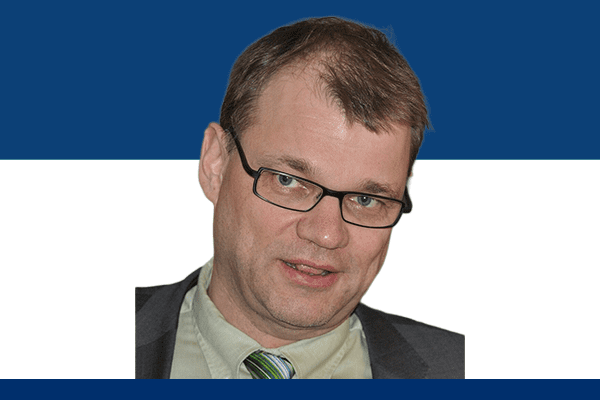
Early Life and Education
Juha Sipilä was born on April 25, 1961, in Veteli, Finland. He spent much of his childhood in northern Finland, where he developed an interest in technology and engineering. He studied at the University of Oulu and earned a degree in engineering. His technical education provided him with problem-solving skills and practical knowledge that later helped him in both business and politics.
After completing his studies, Sipilä entered the technology industry. He worked in several companies and quickly demonstrated strong leadership abilities. Instead of remaining an employee for long, he started his own businesses and became a successful entrepreneur.
Business Career
Before entering politics, Juha Sipilä achieved major success in the business world. He founded and managed technology companies that specialized in telecommunications and network solutions. Through hard work and innovation, he expanded his businesses and created employment opportunities for many people.
His entrepreneurial success earned him respect in Finland’s business community. Sipilä believed in efficiency, teamwork, and economic growth. These values later became central themes in his political career. Rather than relying only on theory, he brought real-world business experience into government leadership.
Entry into Politics
Juha Sipilä joined the Centre Party of Finland and entered politics in the early 2010s. In 2011, he won a seat in the Finnish Parliament. His practical approach and calm personality quickly attracted public attention.
In 2012, members of the Centre Party elected him as party leader. Under his leadership, the party strengthened its position in Finnish politics. Sipilä focused on economic recovery, employment, and reducing government debt. His clear goals and leadership skills helped the Centre Party win the 2015 parliamentary elections.
Prime Minister of Finland
After the 2015 election victory, Juha Sipilä became Prime Minister of Finland. He formed a coalition government and immediately started working on economic reforms. Finland faced financial challenges, slow economic growth, and rising unemployment during this period.
Sipilä introduced measures to improve competitiveness and strengthen the national economy. His government encouraged cooperation between employers, workers, and trade unions. He also promoted digital development, innovation, and education reforms.
As Prime Minister, Sipilä actively represented Finland in international meetings and European Union discussions. He supported strong international partnerships while protecting Finland’s national interests.
Leadership Style and Challenges
Juha Sipilä became known for his direct and solution-oriented leadership style. He often approached political issues like business problems and searched for practical solutions. Many people appreciated his calm behavior and commitment to reform.
However, his government also faced criticism and political challenges. Some citizens opposed spending cuts and labor reforms introduced during his term. Despite disagreements, Sipilä continued working toward his economic goals and defended his policies confidently.
In 2019, he resigned as Prime Minister after his government failed to complete major healthcare reforms. Nevertheless, he remained an important figure in Finnish politics.
Legacy and Contributions
Juha Sipilä’s leadership left a significant impact on Finland. He focused strongly on economic stability, technological innovation, and efficient governance. His background in business brought a fresh perspective to Finnish politics.
He encouraged modernization and highlighted the importance of entrepreneurship and digital growth. Although his reforms sparked debate, they also initiated important discussions about Finland’s future economy and public services.
Conclusion
Juha Sipilä played an important role in modern Finnish politics. From a successful entrepreneur to the Prime Minister of Finland, he demonstrated determination, leadership, and practical thinking. Through his reforms and policies, he worked to strengthen Finland’s economy and prepare the country for future challenges. His career continues to influence discussions about leadership and governance in Finland.