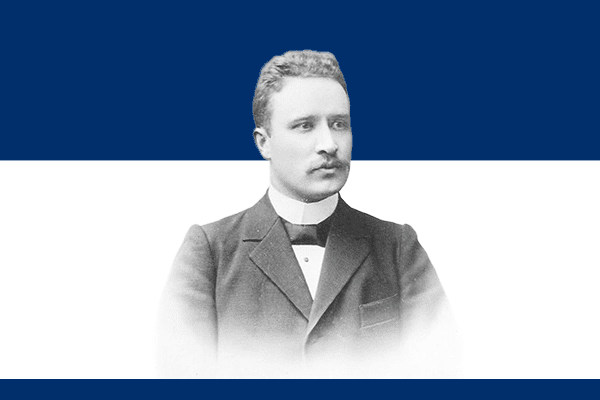
Early Life and Education
Juho Heikki Vennola was born on June 19, 1872, in Oulu, Finland. He grew up in a society that was experiencing political and cultural change under Russian rule. From an early age, he showed strong interest in education and public affairs.
He studied economics and political science at the Imperial Alexander University, now known as the University of Helsinki. His academic background prepared him for a career in administration and politics. Instead of limiting himself to theoretical studies, Vennola actively participated in public discussions about Finland’s future and economic development.
Entry into Politics
Juho Vennola began his professional career as an economist and civil servant. He worked in financial administration and gained experience in economic planning and governance. His expertise in economics earned him respect among political leaders.
He joined the National Progressive Party, a liberal political group that supported democracy, social reform, and constitutional government. Vennola believed that Finland needed stable institutions and responsible leadership to succeed as an independent nation.
As a member of parliament, he focused on economic policy, public finance, and national development. He encouraged cooperation among political groups and promoted peaceful solutions to conflicts.
First Term as Prime Minister
In 1919, Juho Vennola became Prime Minister of Finland for the first time. Finland had recently experienced a civil war, and the country faced political divisions and economic difficulties. Vennola worked actively to restore stability and strengthen democratic institutions.
During his leadership, the government improved administrative systems and supported economic recovery. He encouraged cooperation between political parties and promoted constitutional governance. Instead of using authoritarian methods, Vennola emphasized dialogue and democratic decision-making.
His government also worked on foreign relations and sought international recognition for Finland’s independence.
Second Term as Prime Minister
Juho Vennola served again as Prime Minister from 1921 to 1922. During this period, he addressed important national and international issues. One of the most significant challenges involved the Åland Islands dispute between Finland and Sweden.
Vennola’s government handled the issue diplomatically and cooperated with the League of Nations. Finland eventually retained control of the Åland Islands while granting cultural and linguistic protections to the Swedish-speaking population. This peaceful resolution improved Finland’s international reputation.
He also promoted economic reforms and administrative modernization during his second term. His policies aimed to create long-term stability and national unity.
Political Views and Leadership Style
Juho Vennola believed strongly in democracy, constitutional law, and responsible governance. He preferred negotiation and cooperation over confrontation. His calm and practical leadership style helped Finland navigate difficult political conditions during the early years of independence.
He understood the importance of economic stability and worked to strengthen Finland’s financial system. He also supported education, modernization, and international cooperation.
Unlike more radical political figures of his time, Vennola focused on balanced policies and gradual reform. His moderate approach earned him respect across different political groups.
Legacy and Contributions
Juho Vennola made significant contributions to Finnish politics and state-building. His leadership helped stabilize Finland during a challenging historical period. He supported democratic institutions and promoted peaceful solutions to national conflicts.
Historians recognize him as one of the key leaders who guided Finland during its early years as an independent country. His work in economic policy and constitutional governance left a lasting impact on Finnish society.
Although he may not be as internationally famous as some other European leaders, his influence on Finland’s development remains important.
Conclusion
Juho Vennola dedicated his life to public service and national progress. Through active leadership, democratic values, and economic expertise, he helped Finland strengthen its independence and political stability. His contributions continue to hold historical importance in Finnish political history.